Blog Home
5 essential tips for first-time private party car buyers
Important advice for buying a car from a private seller
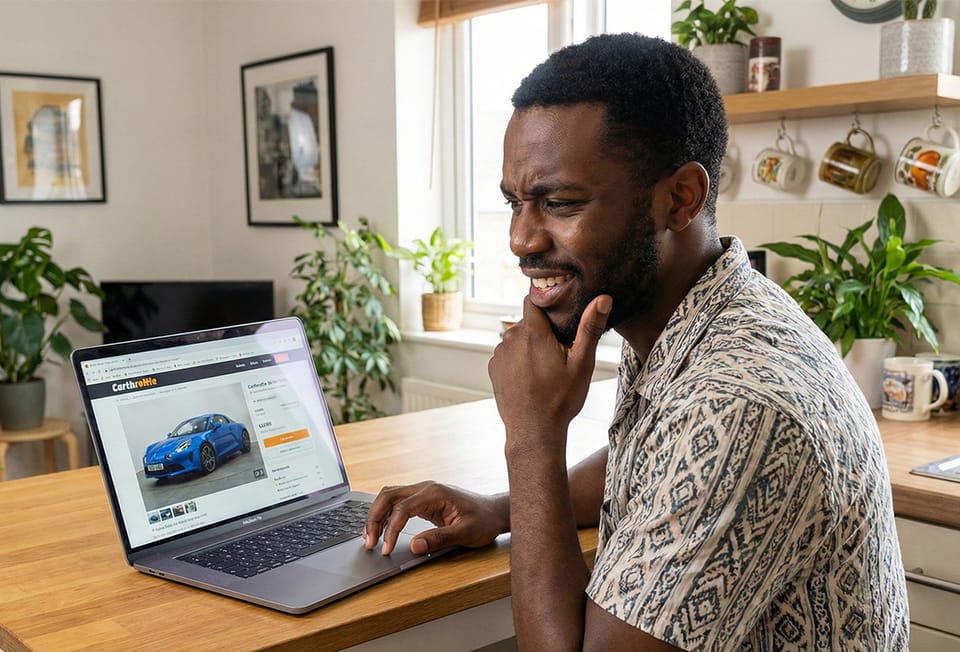
Buying a car from a private seller can save you thousands compared to dealer pricing. You avoid dealer fees, sales pressure, and often get a better sense of how the car was maintained. But private-party purchases work differently than buying from a dealership. There’s more responsibility on you to verify the car, understand the paperwork, and protect yourself from scams.
Here are the five must-know tips that will help you buy confidently and avoid expensive surprises.
1. Always get a pre-purchase inspection
A pre-purchase inspection (PPI) is the single best way to avoid buying a car with hidden problems. Dealerships typically “recondition” cars before selling them. Private sellers generally don’t. That means the true condition of the car is unknown until an independent mechanic looks it over.
What to do:
- Choose your own mechanic, not the seller’s.
- Expect to pay $150–250 for a thorough inspection.
- Test drive first so you only inspect cars you’re serious about.
- Use any repair findings to negotiate a fair price.
Many sellers who refuse an inspection are hiding something. That’s your cue to walk away.
 Steven Gin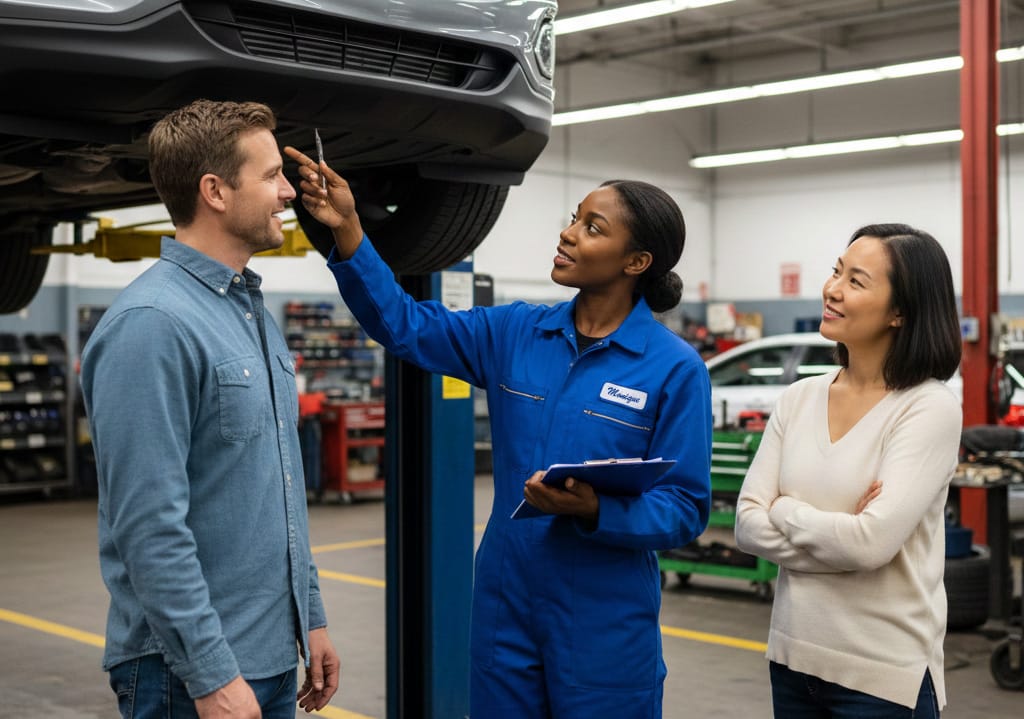
2. Make sure the car can be legally transferred and registered
Before exchanging money, confirm that the car can actually be registered in your name. Title problems are one of the most common and costly issues for first-time private-party buyers.
Check for these red flags
- Missing title or a title still in someone else’s name. Check the seller's ID to make sure it matches.
- Unreleased lien the seller can’t prove is paid off
- Title brands like "salvage," "flood," or "rebuilt"
- Out-of-state titles that require extra inspections
- Altered or suspicious paperwork
- VIN on the title must match the VIN stamped on the vehicle
You’ll also pay sales tax and registration fees at your DMV. Tax rates vary by state and county, so include this in your budget. You owe tax where you register the car, not where you buy it.
When you pay through KeySavvy, we verify identity, ownership, and lien status before approving the sale, which prevents fake titles and other paperwork scams.
3. Check the vehicle’s history before meeting the seller
A vehicle history report helps you quickly decide whether a car is worth pursuing. It won’t catch everything, but it can save you a lot of wasted time.
Look for
- Major accidents or structural damage
- Odometer inconsistencies
- Title brands
- Airbag deployments
- Frequent auctions (possible curbstoner)
- Recalls that haven’t been fixed
- Service or maintenance records
CARFAX and AutoCheck are the most common paid reports, and some states offer free NMVTIS-based reports that are good for screening. Always pair history reports with an inspection since not all repairs or accidents are reported.
4. Test drive the car and inspect it in person
A car can look perfect online yet drive poorly in real life. Never skip an in-person inspection and test drive. It’s your chance to confirm the car matches the listing and that the seller seems genuine.
During the meet-up
- Meet in a public place and bring a friend if possible.
- Verify the VIN on the dash, door jamb, and title.
- Take a photo of the seller’s ID and make sure it matches the name on the title.
- Look for mismatched paint, flood smells, or dashboard warning lights.
On the test drive
- Start the engine cold if you can.
- Drive on hills, highways, and stop-and-go streets.
- Listen for clunks, squeaks, grinding, or vibration.
- Test brakes, steering response, and acceleration.
- Check tech features like backup cameras and Bluetooth.
If something feels off, trust your instincts and keep looking.
5. Pay safely and protect yourself from scams
Payment is where most private-party scams happen. Cash, cashier’s checks, Venmo, Zelle, and wire transfers all expose you to fraud or theft. Many buyers don’t realize that banks often can’t verify cashier’s checks on the spot, and marketplace platforms rarely guarantee anything.
Some tips:
- Never hand over cash at a seller’s home or during a test drive.
- Avoid peer-to-peer payment apps like Venmo or Cash App for large transactions.
- Don’t send deposits to “hold” a car you haven’t seen.
- Use a trusted third-party service like KeySavvy, which verifies the seller, checks the title, and releases funds only when ownership is confirmed.
A safe payment process protects both you and the seller and keeps the transaction documented.
 Steven Gin
Final thoughts
Buying a car from a private seller can be an enjoyable, empowering experience when you know what to look for. Take your time, ask questions, and walk away from deals that don’t feel right. With proper preparation—and by using KeySavvy to secure the paperwork and payment—you can get a great car at a great price with complete peace of mind.
If you’re ready for the next step, check out our guide to safely completing a private-party purchase.
 Steven Gin
 Steven Gin
 Steven Gin