Blog Home
Reports of car scams on Facebook Marketplace, Craigslist, and more
Expert tips for protecting yourself from scams when buying or selling cars privately
Do car scams happen on Facebook Marketplace? Sadly, yes. And since cars are expensive, these scams can cost victims a lot of money.
This is a compilation of Reddit posts and news articles about people getting scammed (or nearly getting scammed) when buying and selling cars on Facebook Marketplace, Craigslist and other online marketplaces. Reading these examples will help you identify scams and make the right decisions that keep you from making similar mistakes.
KeySavvy was created to make private party sales safer and easier. When you use KeySavvy, you can focus on getting the best price and transact worry-free.
We update this list periodically with new posts. If you find a car scam report that would be helpful to include here, let us know!
Summary of Advice
Verify ownership/title clearances
- Make sure the person selling you the car is the legal owner.
- Check there are no undisclosed liens on the car/title.
- Confirm the VIN on the title matches the VIN on the vehicle.
 Steven Gin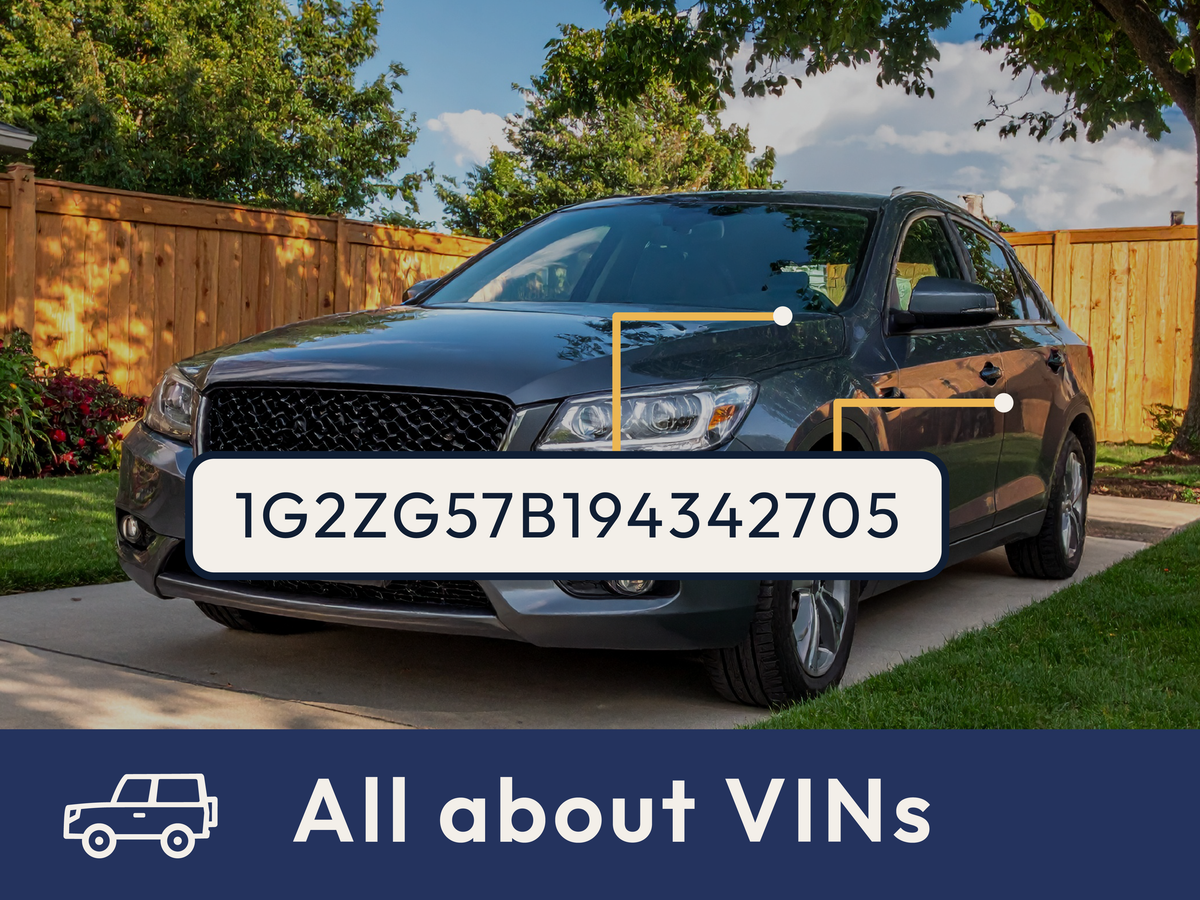
Inspect documents carefully
- Ensure all owners have signed the title.
- Be wary of altered or void titles.
Check vehicle history
- Use services like NICB, Carfax, AutoCheck, NMVTIS to see if the car is stolen, has odometer rollback, etc.
Get a pre-purchase inspection
- Before buying, have a mechanic or other qualified person inspect the car to identify potential issues.
 Steven Gin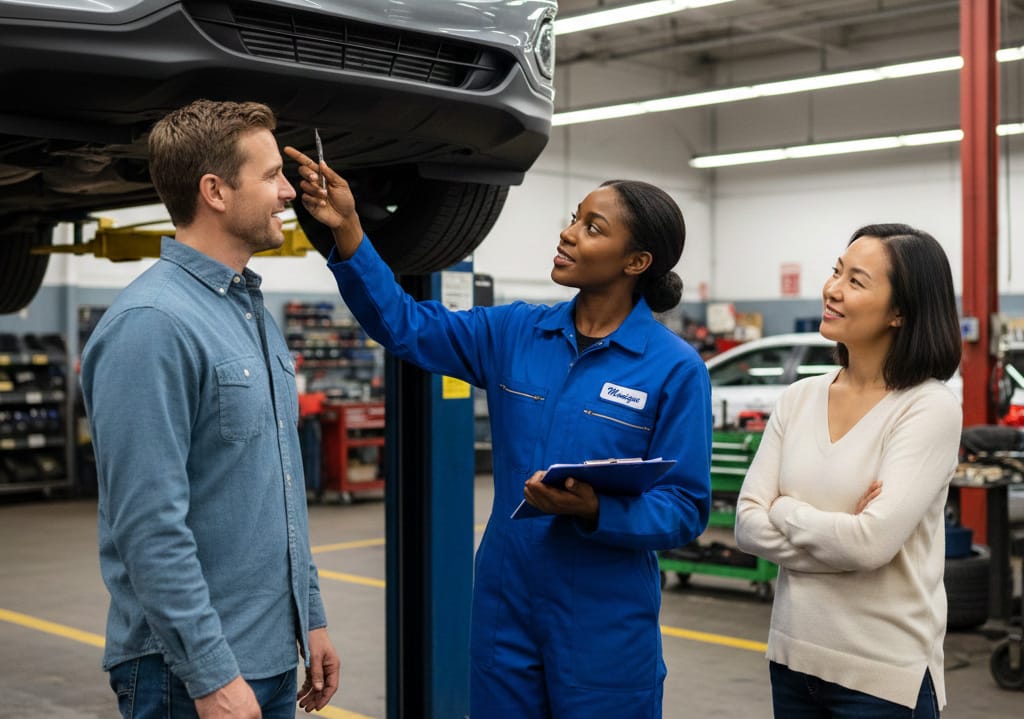
Verify payment methods and be cautious with money transfers
- If accepting cash, do so at a bank so you can immediately deposit and verify.
- If a payment method involves checks (cashier’s checks) or Zelle, verify the payment is legitimate.
- Be extremely careful with escrow services. Make sure they’re real and not fraudulent.
 Steven Gin
Don’t send money before seeing the car
- Never pay a deposit or full amount until you’ve seen the car in person unless using a verified escrow service.
Complete the transaction officially
- Conduct the sale at the DMV if possible, or where titles are transferred legally.
- Use a bill of sale, keep proper records, ensure signatures are legible and correct.

 Steven Gin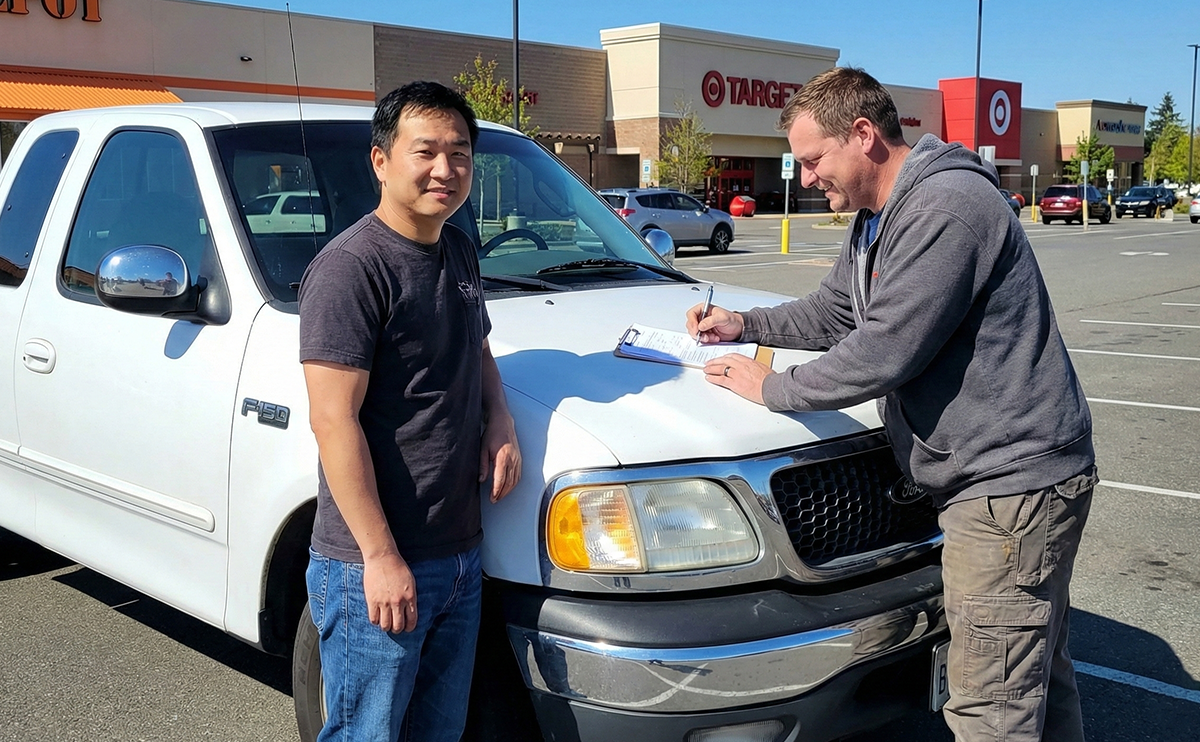
Be alert for red flags
- Fake lien release letters, fake cashier’s checks, promises to get title later, seller disappearing after deposit, etc. Be ready to walk away from a deal if something feels off.
The Posts
Buyer bought car with a lien, but the seller never paid off the loan.
💡Never trust the seller to pay their lienholder. Learn how to safely buy a car with a lien.
Seller didn't verify Zelle payment, lost $2k.
💡Always verify the buyer's payment. Call the issuing bank for cashier's check and deposit cash immediately. Learn about the best ways to accept payment.
Seller had fake lien release statement. $40k still owed on the original loan.
💡Don't pay the seller until you verify all liens are satisfied. Read more about private party sales when the seller has a loan.
Buyer bought stolen car, lost $27k.
💡Always inspect the VIN and check NICB for stolen vehicle records.
Seller accepted $12k in counterfeit cash. Vehicle was not recovered by police.
💡If you accept cash, meet at the bank and deposit it immediately. Learn about safely accepting cash.
Buyer lost $24k after purchasing a stolen car. Car was confiscated.
💡Always verify the advertised VIN matches the VIN on the car, pull a title report, and make sure the seller is the owner.
Buyer didn't notice the lien on the title and the seller wasn't even the owner.
💡 Complete your transaction at the DMV and make sure the legal owner signs the title and a bill of sale.
Buyer sent $400 deposit. Seller disappeared.
💡 Never send money without seeing the car first. Better yet, use an escrow service to make a deposit so that you can recover your money if the seller doesn't hold up their end.
Seller promised to find the title, but didn't. Buyer can't register motorcycle.
💡 Don't pay the seller until you can receive a title signed by the registered owner.
Seller accepted fake cashier's check. Lost $20,000.
💡 If you take a cashier's check, meet the buyer at their bank and verify the check in person.
Buyer bought a car with undisclosed $10k lien.
💡 Ask to see the title and check if there are any liens listed. Transact at the DMV.
Buyer paid $25k in cash. Car was stolen and had a lien.
💡 Always verify the seller owns the car and that there are no undisclosed liens on the title.
Title was missing a signature. Buyer can't register the car.
💡 Make sure ALL owners sign the title. Otherwise, the DMV will not let you register it. Try to verify the seller's identity and make sure they actually own the car.
California buyer discovered there was a lien that was not disclosed. Can't register the vehicle.
💡 Complete your transaction at the DMV and make sure the legal owner signs the title and a bill of sale.
Seller was not the legal owner. Buyer can't register the car.
💡 Make sure the OWNER signs the title. Otherwise, the DMV will not let you register it. Never pay for a car without getting the title signed by all owners.
Buyer paid $7k with a fake escrow service.
💡 Look at the website domain VERY carefully and confirm all wire transfer instructions with the company you expect to be dealing with.
Odometer was rolled back. Buyer paid over market value.
💡 Get a CARFAX, AutoCheck, or NMVTIS vehicle history report and compare the mileage records to the mileage on the car.
Buyer did not fully understand financing and purchase price.
💡 This sale actually occurred at a dealership, but is common enough that we wanted to include it. Carefully review each item being purchased and ask lots of questions if you're unsure.
Car ended up needing $2,500 in repairs.
💡 It almost always makes sense to get a pre-purchase inspection so you know what you are buying. Read our blog article about inspections.
Motorcycle seller didn't have the title. Real title holder wants $500 more.
💡 Don't buy a motorcycle (or any titled vehicle) from anyone except the actual owner.
Seller was not the owner. Car was possibly stolen.
💡 Try to verify the identity of the seller and make sure they are both the registered and legal owner (no liens, clear title).
Title was void. Buyer can't register the car.
💡 Make sure the title has no strike-throughs and all the correct signatures. If you're unsure, complete the sale with the seller at the DMV.
Title had undisclosed lien. Buyer has to pay off lien to register the car.
💡 Never accept a title with a lien listed under the Legal Owner section. The title could be an old copy or forged to remove the lien. Some states allow pulling public records to check if a title has a lien registered.
Buyer left abruptly after paying, illegible signature.
💡 Always report your sale with your state and keep proper records (like a signed and dated bill of sale) in case the buyer commits a crime shortly after buying your car.
Lien on title, but seller has lien release letter showing it's paid off.
💡 Never accept a title with a lien, even if the seller says it's paid off. Ask them to get a clear title from the DMV before you pay for the car.
Seller promised to pay off lien with buyer's money. Didn't happen.
💡 Never accept a title with a lien, even if the seller says they'll pay it off with the money you pay them. Use an escrow service (or KeySavvy) to purchase a vehicle with a lien.
Helpful Links
- FTC's resources for car buying scams
- What to do if you were scammed (FTC)
- Report a scam to Facebook Marketplace
Final Thoughts
This list of scams may seem overwhelming, but remember that these scams still represent a small portion of the millions of vehicles sold on the private party market every year. People keep going back because they are saving thousands.
If you prefer a stress-free experience, consider using KeySavvy to buy or sell your car privately.