Blog Home
How to buy a car on Facebook Marketplace without getting scammed
A guide to protecting yourself when buying a car on Facebook or other online marketplaces
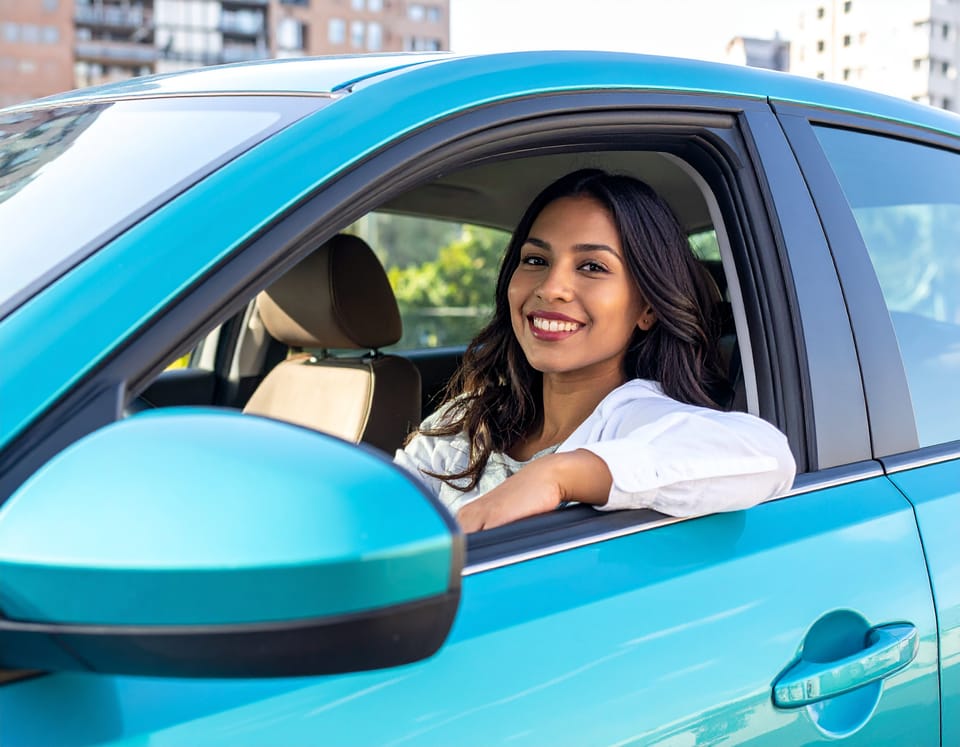
How to buy a car on Facebook without getting scammed
Facebook Marketplace can be a great place to find a used car at a fair price. You’re often dealing directly with the owner, avoiding dealership markups and high-pressure sales tactics. At the same time, Facebook is one of the most common places for private-party car scams.
This guide walks through practical steps you can take to reduce risk and buy a car on Facebook Marketplace more safely, based on what we’ve learned from helping thousands of private-party transactions at KeySavvy.
Check the ad for signs of fraud
Start by scrutinizing the listing itself. Photos alone do not prove that the seller actually has the car. Scammers often reuse images from other listings or dealership sites.
Be cautious if the seller emphasizes urgency or provides an emotional backstory designed to rush you, such as a sudden move, military deployment, divorce, or death in the family. Pressure to act quickly is one of the most common scam tactics.
Ask for information that verifies both the vehicle and the seller. If something feels off, slow down. Fear of missing out is exactly what scammers rely on.
You should also ask for the VIN if it is not already listed. Use it to run a vehicle history report through NMVTIS, CARFAX, or AutoCheck. These reports can help confirm mileage, title status, and whether the car has been reported stolen or salvaged. Refusing to share a VIN is a major red flag. Despite common myths, VINs are not private information.
If you use KeySavvy, we provide an NMVTIS title history report to both the buyer and seller as part of the transaction.
Inspect the vehicle in person when possible
For local purchases, meet in a safe, public place and consider bringing someone with you. Inspect the car carefully and make sure its condition matches the listing.
Verify that the VIN on the vehicle matches the VIN provided in the ad and in any reports you’ve pulled. Common VIN locations include the driver-side door jamb and the lower left corner of the dashboard, visible through the windshield.
A pre-purchase inspection by an independent mechanic is strongly recommended. A short test drive can easily miss mechanical issues that may be expensive to repair later.
If you’re buying from an out-of-state seller or purchasing sight unseen, an inspection becomes even more important. Choose the mechanic yourself and do not rely solely on photos or videos provided by the seller. We cover this in more detail in our article on how to pay an out-of-state private seller.
 Steven Gin
Verify the seller is the actual owner
One of the most important steps is confirming that the person you’re dealing with legally owns the car.
Ask to see the seller’s driver’s license, registration, and title. The name on the driver’s license should match the registration, and the registration should match the license plate on the vehicle. If the seller claims to own the car outright, they should be able to show you the title.
Check that the name and VIN printed on the title match the other documents. The seller’s name should be printed on the title, not handwritten in as a buyer. If a different name appears, the seller may be attempting to “skip” or “jump” the title, which is illegal. In that case, ask them to register the car properly and obtain a new title in their name before proceeding. Or walk away.
For real-world examples, see our article on reports of car scams on Facebook Marketplace, Craigslist, and more.
Check for liens and title brands
Make sure the title is clear and that there are no outstanding loans or liens. With auto loans lasting longer than ever, many vehicles still have unpaid balances even if the seller claims otherwise.
If a lien exists, the lender typically holds the title, and you won’t be able to register the car until the loan is paid off. In some cases, liens may not be listed on the physical title, which is why a vehicle history report is critical. If the seller does not have legal ownership, the lender can repossess the car even after you’ve paid for it.
It is possible to buy a car with an existing lien, but it requires additional safeguards. We explain the process in our guide on how to safely buy a car with a lien.
You should also watch for undisclosed title brands, such as salvage or flood damage. In rare cases, sellers attempt to “wash” these brands from a title, which is illegal. Title brands are part of a vehicle’s permanent history and indicate higher risk and lower resale value. They should be disclosed in the listing, and the price should reflect that risk. NMVTIS reports typically show title brands, and they are often printed directly on the title.
 Steven Gin
Pay your seller securely
Facebook Marketplace does not handle vehicle payments, so choosing a secure payment method is up to you. Vehicle transactions are among the most commonly reported scams to the Internet Crime Complaint Center.
If you use any online payment service, take time to verify that it is legitimate. Look for reviews, confirm licenses, and carefully check the website URL for misspellings or unusual characters. Scammers often create convincing copycat websites, a tactic known as phishing.
If paying with cash, sellers may want to meet at their bank to deposit it immediately. Carrying large amounts of cash is risky and generally not recommended. A seller who insists on cash while refusing safer alternatives like a cashier’s check or KeySavvy should raise concern.
Never pay with gift cards, wire transfers, or reloadable prepaid cards. These methods are irreversible and untraceable. Do not share your banking credentials or allow anyone access to your mobile banking app, as this can lead to identity theft or stolen funds.
 Steven Gin
Conclusion
Buying a car on Facebook Marketplace does not have to be a bad experience. Stay patient, verify everything, and do not let emotion or urgency override your judgment. If a deal seems too good to be true, it usually is.
Many people successfully buy cars from private sellers every day. With the right precautions, you can too.
 Steven Gin