Blog Home
Buying a car with a lien: what you need to know
A safe guide to buying a car with an outstanding loan
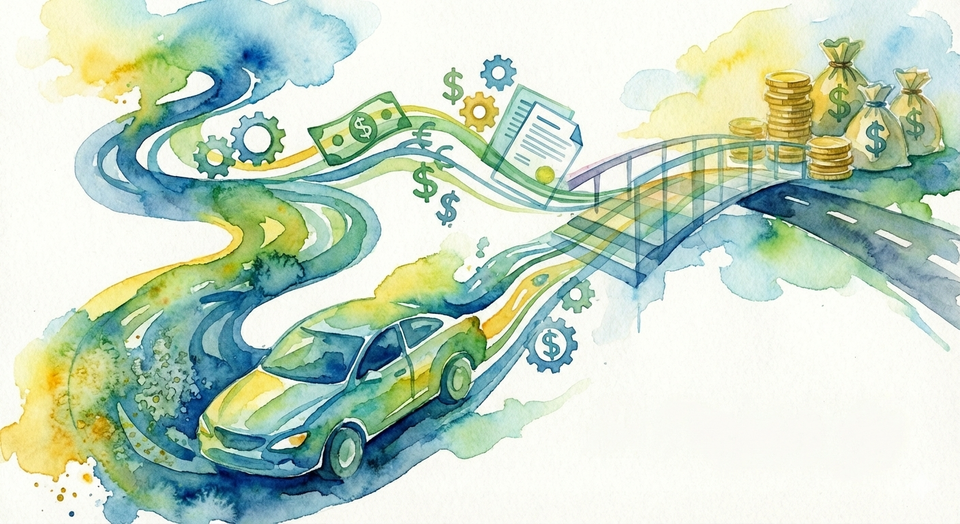
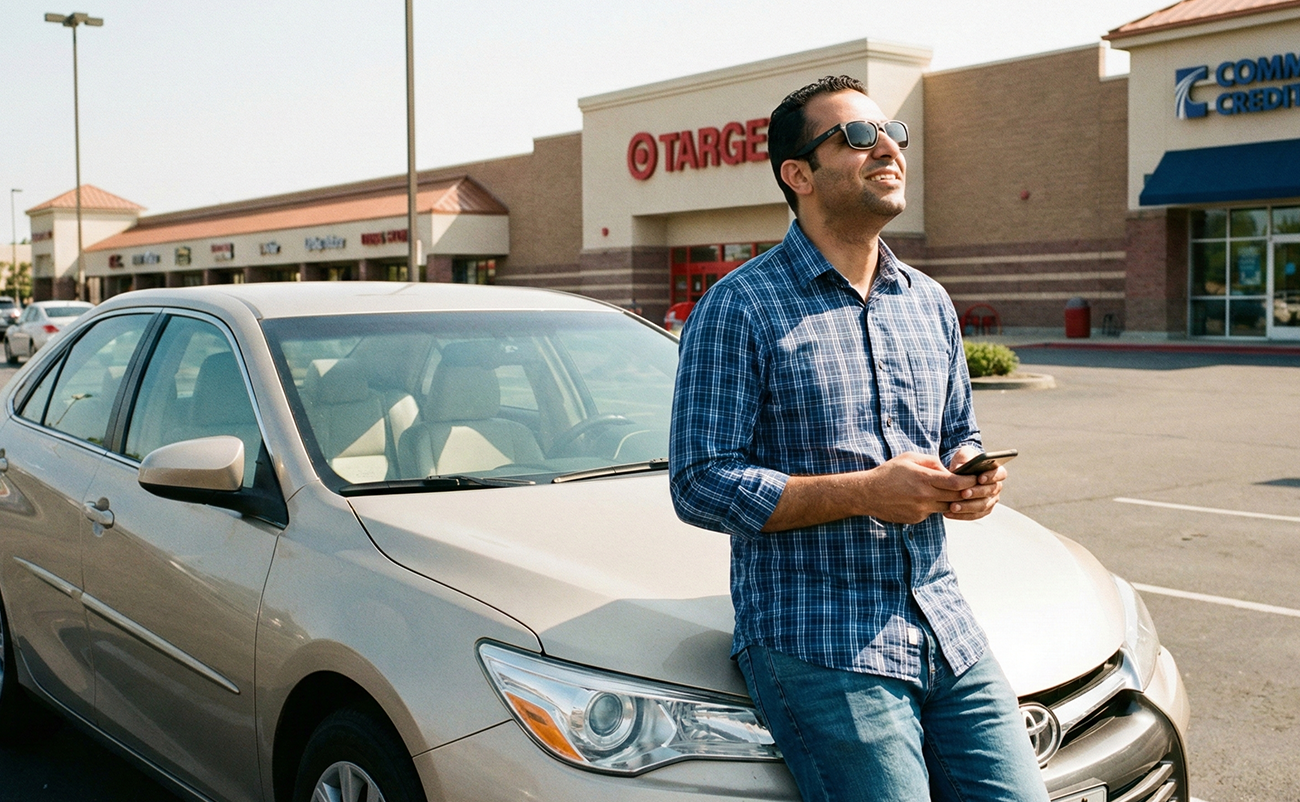
Buying a used car when the seller still owes money on their auto loan is common, but it introduces a few risks you should understand before moving forward. When a lender has a lien, they hold the vehicle’s title until the loan is paid off. That means the seller can’t hand you a clear title at the moment you pay them. And without a lien-free title, you can’t register the vehicle in your name.
This guide explains why liens complicate private party sales, the safest ways to complete a purchase, and how KeySavvy makes the process significantly easier, especially in states that use electronic titles.
What is a lien? And why does it matter?
A lien is a legal claim the lender places on the vehicle while the seller still owes money on their loan. Until that loan is paid off, the lender retains the title. A “clear title” simply means the lender’s lien has been removed.
This creates a timing challenge:
- The seller needs your money to pay off the loan.
- You, the buyer, need a lien-free title to register the vehicle.
- And in many states, you can’t get a temporary permit to drive the car until the title has been released.
So even when both parties have good intentions, the process can be awkward, slow, and risky.
Why buying a car with a lien is risky
In a typical lien payoff situation, the seller must:
- Use your payment to pay off their loan.
- Wait several weeks for the title to arrive from the lender or DMV.
- Meet you again to hand you the title.
You’re relying on the seller twice: to pay off the loan promptly and to return with the title later. If they don’t, you’re left with an un-registerable vehicle and few options.
This risk increases in states that no longer use paper titles.
Paper titles vs. electronic titles (ELT)
Not all states print a paper title when there is a lien.
Paper titles
Some lenders store a physical title at a local branch. If that’s the case, you may be able to meet the seller at the bank, pay the lender directly, and walk out with a lien-released title that the seller signs over to you. This is the smoothest version of a lien payoff sale, but is becoming less and less common.
Electronic titles (ELTs)
Many states now use Electronic Lien and Title (ELT) systems, where the lien and title exist only in the DMV’s database. In ELT states:
- The bank does not have a paper title to hand you.
- When the loan is paid off, the lender notifies the DMV electronically.
- The DMV then prints a clear title and mails it to the seller, not the buyer.
- This process often takes several weeks.
- As a result, meeting at the seller’s lender won’t get you a title; there isn’t one to give.
Two safe options
Option 1: meet at the seller’s lender (when possible)
If the seller’s lender has a local branch and still holds a paper title, this can be a safe and straightforward option.
Here’s what to do:
- Call the lender and ask whether they physically hold the title.
- Confirm whether they support private party sales and can facilitate a lien release in person.
- Meet at the branch, pay the lender the loan payoff amount, and pay the seller any remaining balance.
- Receive the lien-released paper title directly from the lender.
- Have the seller sign the title over to you and head to the DMV to register the vehicle.
If a paper title is available, this is one of the safest ways to complete the transaction. But, if the title is electronic, this option won’t work and the risks of relying on the seller increase.
Option 2: use KeySavvy to pay off the loan
KeySavvy offers a safer, more reliable alternative, especially in states that use ELTs. Because KeySavvy is a licensed dealership, lenders treat us differently than they treat private buyers:
When the lien is released, lenders send the title to us, not to the seller. This removes the biggest uncertainty in a lien payoff sale.
Here’s how the process works:
- Agree on a price with the seller on KeySavvy.
- We contact the lienholder and confirm the exact payoff amount.
- You pay online, and your funds are held securely in KeySavvy.
- When you (or a shipper) pick up the vehicle, we pay off the seller’s loan and send the seller the remaining balance.
➡️ If the seller is underwater, we collect the difference directly from them. - The lender sends the title to KeySavvy, not the seller.
- We mail the title to you and issue a temporary permit so you can drive right away.
This process removes both points of failure: you don’t have to trust the seller to pay off the loan, and you don’t have to rely on them to deliver the title weeks later.
 Steven Gin
Conclusion
Buying a car with a lien is absolutely do-able. It just requires handling the loan payoff and the title correctly. Meeting at the seller’s lender works well when a branch and paper title are locally available. In other cases, especially in ELT states, KeySavvy offers a safer and more predictable way to complete the purchase.
What we don’t recommend is paying the seller upfront and hoping they’ll both pay off their loan and return with the title later. There’s simply too much that can go wrong, and the delays can stretch into months.
KeySavvy removes that uncertainty and gives you a clear, reliable path to vehicle ownership.
 Steven Gin
 Steven Gin