Blog Home
How to sell a car on Facebook without getting scammed
What you should know about private party selling on Facebook Marketplace
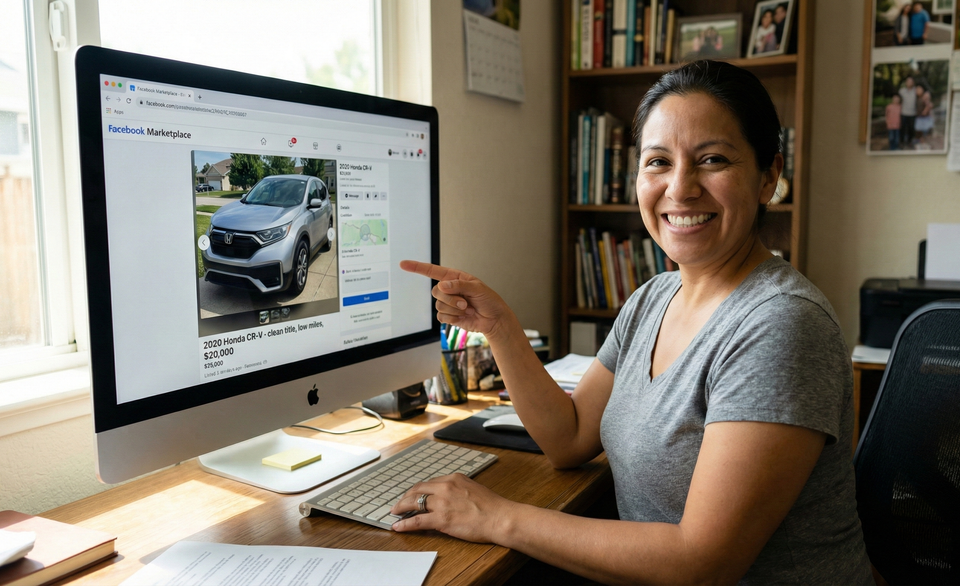
Selling a car on Facebook Marketplace can help you reach a large audience quickly, but it also exposes you to a higher volume of fraud attempts. Marketplace is easy to access, new accounts can be created quickly, and scammers can message dozens of sellers at once. As a result, private sellers often deal with fake buyer inquiries, suspicious links, and unsafe payment offers.
At KeySavvy, we have supported thousands of private party transactions and helped buyers and sellers avoid common fraud tactics. Based on patterns we see every day, this guide outlines the scams you are most likely to encounter and how to protect yourself when selling a vehicle online.
Common scams while your car is listed for sale
Phishing links and fake login pages
The most common scam on Facebook Marketplace is a phishing attempt. A buyer will message you, ask a few normal questions, then send a link that appears to require verification or proof of ownership. That link often leads to a fake Facebook or Google login page designed to steal your username and password.
These fake URLs usually look close to the real thing, such as “fecabook.com” or “google-check.info.” If you enter your credentials, the scammer can immediately access your account and use it to message your contacts, list fraudulent items, or lock you out.
How to protect yourself:
- Don’t click on links unless you are quite sure they are legitimate.
- Never enter your login information after following a link someone sends you.
- Turn on two-factor authentication on Facebook and your email account.
- Use a password manager so each site has a unique password.
These steps greatly reduce the impact of a phishing attempt, even if you click a suspicious link.
Phone number verification scams
A common tactic involves a buyer asking to “verify your phone number” by sending you a six-digit code. The scammer is actually trying to link your phone number to their own account on a payment platform such as Zelle. If you share the code, they can complete an account recovery or verification process as if they were you.
How to protect yourself:
Never share a verification code you receive by text, email, or phone. You should only enter that code on the website or app where you requested it.
Fake VIN report requests
Scammers often claim they need a specific type of vehicle history report before they will “drive a long distance” to see your car. The report name is usually unfamiliar and may sound technical, such as an “ELC report.” They will insist that you purchase the report from a specific website. In many cases, that site charges you for a fake or publicly available document. If you pay it, they may also steal your credit card information.
To avoid detection by Facebook’s automated systems, scammers sometimes send these messages as images rather than typed text. The goal is to bypass filters that would normally block known scam links.
How to protect yourself:
Buyers can purchase their own reports. If you want to you can provide reputable history reports such as CARFAX, AutoCheck, or NMVTIS, but decline requests for unknown services. A legitimate buyer will accept standard documentation.
Payment scams to watch for
KeySavvy protects sellers from all the scams listed in this section, though it is still important to understand what fraud looks like. These scams target sellers who accept payment directly and often involve fake banking information or forged documents.
Overpayment scams
The buyer claims to have accidentally sent more than the agreed price and asks you to refund the difference. Their payment is counterfeit or fabricated. Your refund is real. Once their original payment fails, you lose the money you sent.
How to protect yourself:
If a buyer overpays or asks you to send money back, stop the transaction immediately. Legitimate buyers do not accidentally transfer thousands of dollars.
Counterfeit cash
Counterfeit currency remains a risk in private-party sales. Fake bills can be high quality and may pass simple marker tests. Some counterfeiters bleach lower-denomination bills and reprint them as larger ones which means the paper feels authentic.
How to protect yourself:
Meet at your bank and deposit the cash while the buyer is present. Your bank will confirm the bills before crediting your account. Avoid meeting in parking lots or cafés and avoid portable counterfeit detectors. They are not always reliable.
 Steven Gin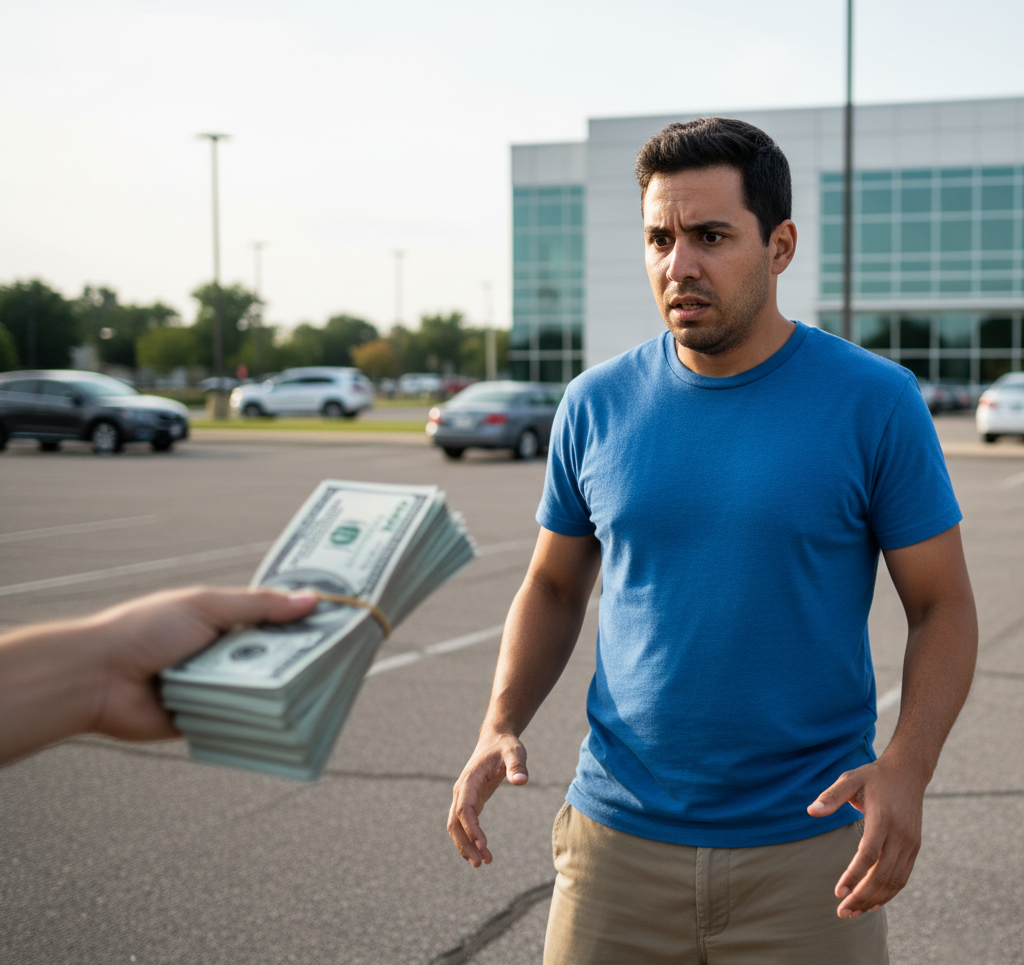
Fake cashier’s checks
Cashier’s checks are widely forged because they are easier to print convincingly than currency. Even if your bank accepts the check for deposit, it can take days to verify. If the check turns out to be fraudulent, the bank reverses the funds and you lose the amount of the sale.
How to protect yourself:
If you agree to accept a cashier’s check, meet at the buyer’s bank and watch the teller issue the check. Do not accept a check that the buyer brings from elsewhere.
 Steven Gin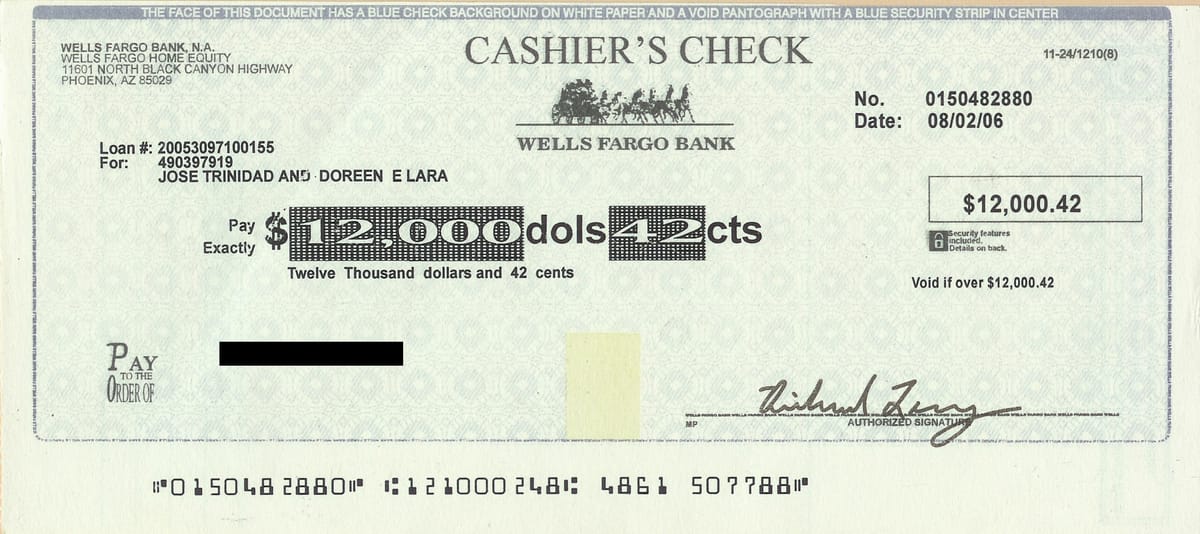
Fake escrow companies
A buyer may suggest using an escrow service to keep the transaction “safe.” They will send you to a website that appears professional and show you an email confirming that funds have been deposited. In reality, the escrow service is fake and no payment exists. Once you hand over the car and title, the scammer disappears.
How to protect yourself:
Verify the escrow provider’s license information with state regulators. Reputable escrow, payment, or dealer services must be licensed as escrow companies, money transmitters, or motor vehicle dealers. Do not rely on a link provided by the buyer; search for the company independently.
Newer or increasingly common scams
AI-generated buyer profiles
Scammers now use AI tools to generate realistic buyer messages and profile photos. The messages are polished but vague, and the profile is newly created with little activity history.
Red flags include:
- Brand-new accounts with no local presence.
- Messages that avoid answering specific questions about your listing.
- Requests for off-platform communication immediately.
Fake shipping or “logistics company” scams
Scammers pose as buyers who claim they cannot see the car in person. They offer to hire a shipping company and will send payment through a fake logistics provider. They then request fees or reimbursement for “delivery charges” before pickup. No shipping service ever appears.
How to protect yourself:
Decline remote buyers who insist on handling shipping or who offer to pay before seeing the car. Remote sales are possible but require verified identity and secure payment methods.
 Steven Gin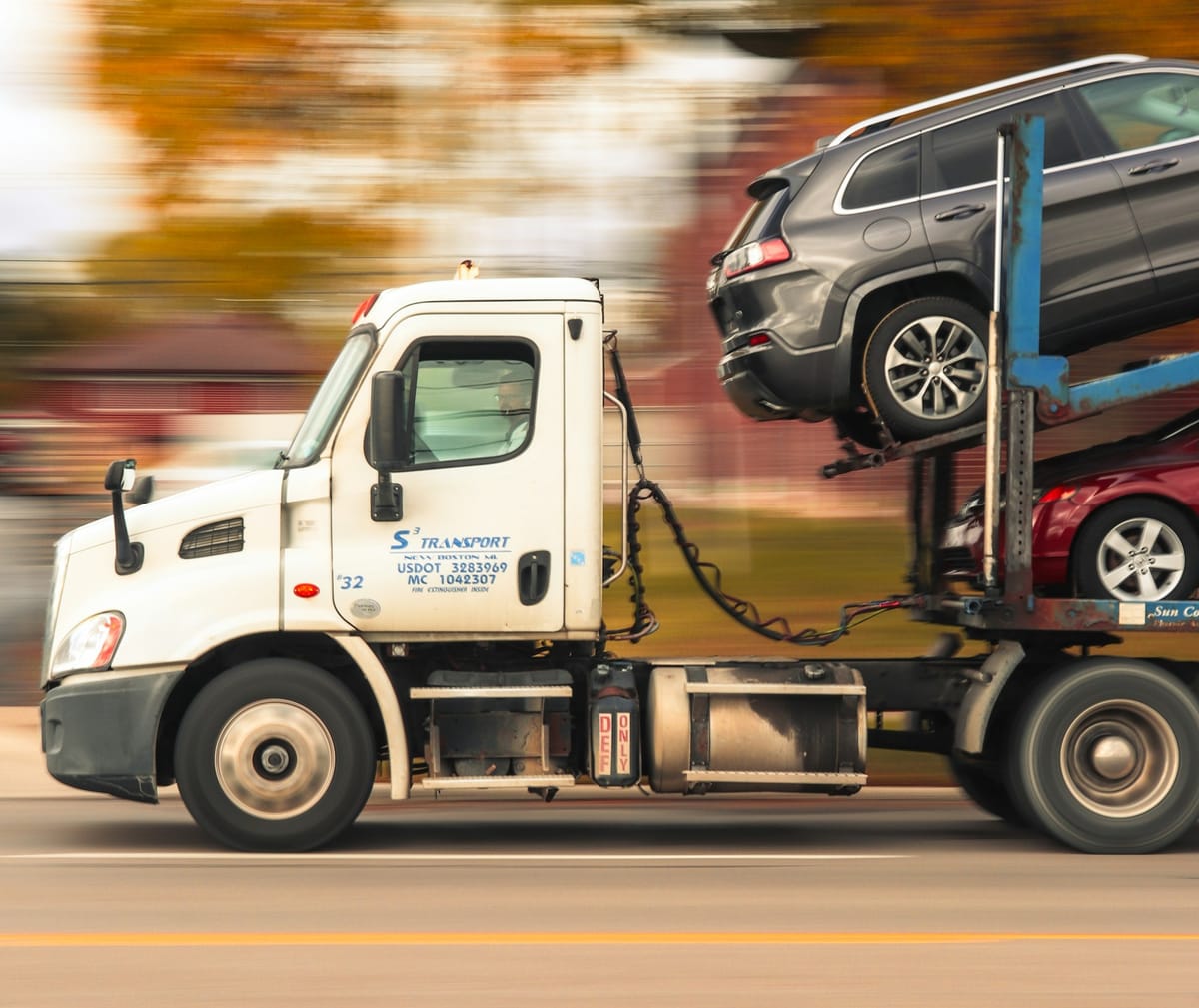
How to protect yourself when selling a car on Facebook
Verify the buyer
Ask for the buyer’s full name and, when you meet in a public place, ask for their photo ID. A legitimate buyer will not object to verifying their identity. Trust your instincts; if any part of the conversation feels rushed or inconsistent, pause the transaction.
Use secure payment options
Safe methods include:
- Meet at the buyer’s financial institution for a verified cashier’s check
- Receive cash at your financial institution, have them verify and deposit funds with buyer present
- Using KeySavvy, which verifies buyer identity, confirms funds, handles titles and loan payoff
Avoid:
- Carrying cash in large amounts
- PayPal, Venmo, or Cash App for vehicle purchases
- Payment platforms you do not recognize
- Any system requiring you to send money back to the buyer
 Steven Gin
 Steven Gin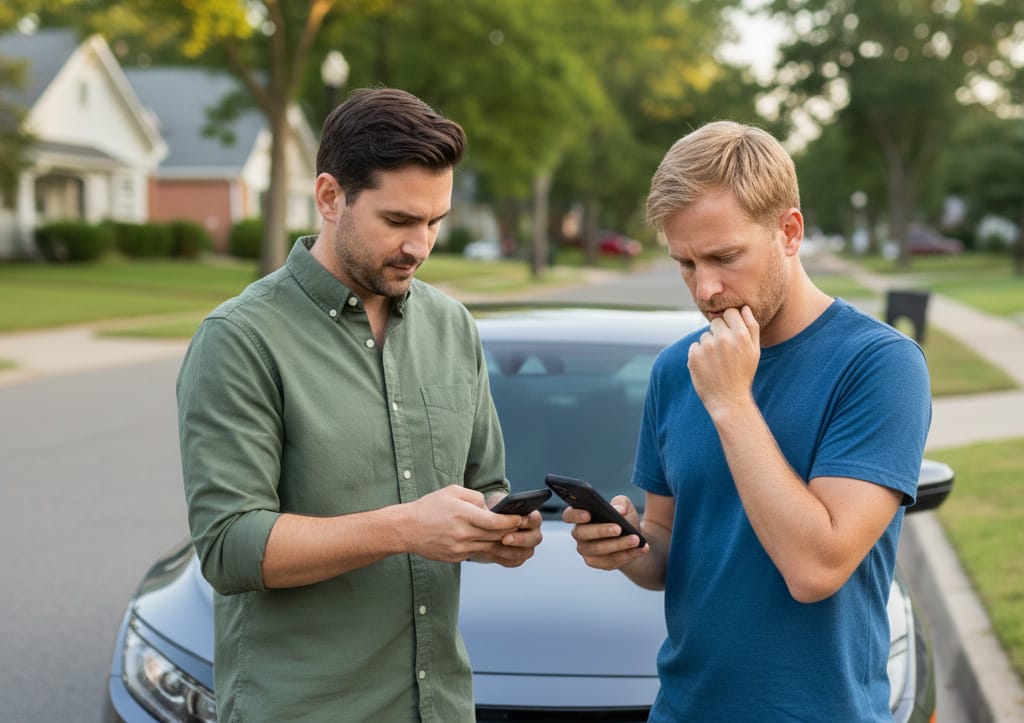
Meet in secure locations
Meet at a bank, credit union, or similar location where payment can be verified on the spot. Police stations sometimes provide parking spots for private sale meetups. Avoid residential addresses when possible.
Protect your title
Never hand over the title until payment is confirmed by your bank or by a trusted service. If your vehicle has a lien, be prepared to explain the payoff process and use a secure platform that can verify electronic titles.
Quick checklist for safe selling
- Do not click unexpected links or enter login information.
- Never share verification codes with anyone.
- Decline requests for unknown VIN reports.
- Avoid buyers who rush, pressure, or offer complicated payment methods.
- Meet at safe locations where payment can be verified.
- Do not accept cashier’s checks unless you see them issued.
- Use a secure payment service to protect both the car and the title.
Final thoughts
Scammers evolve their tactics constantly, and Facebook Marketplace offers them a free and easy way to contact unsuspecting sellers. Staying skeptical, taking your time, and verifying every step of the process are the best ways to protect yourself.
If you prefer a safe and verified transaction, KeySavvy can handle payment, identity verification, and title transfer so you can focus on selling your car without risk.
Further reading and resources
- About scams on Facebook Marketplace — Facebook Help Center
Facebook’s official guidance - BBB: Consumers and businesses beware of scams on Facebook Marketplace
- How to identify and avoid Facebook Marketplace scams — AARP
- Facebook Marketplace Safety Guide — Marketpeace
A helpful checklist of fraud prevention strategies