Blog Home
How to sell a motorcycle privately
A step-by-step guide to getting the best price while protecting yourself from scams, paperwork issues, and payment risk.
Introduction
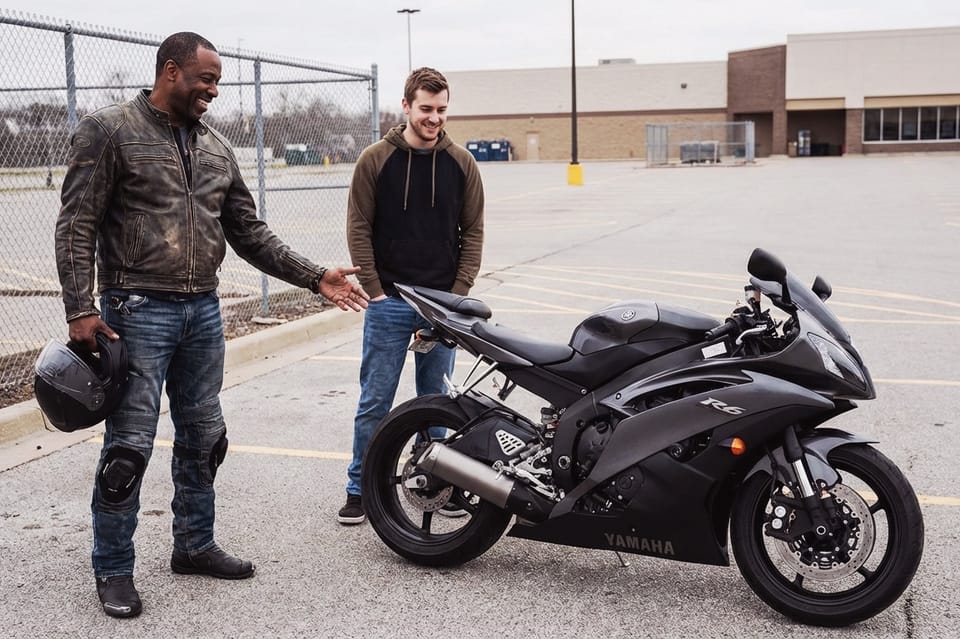
Selling a motorcycle privately is usually the best way to get top dollar. Compared to trading it in or selling to a dealer, private party sales typically mean more money in your pocket, but also more responsibility.
You’ll need to price it correctly, present it well, handle inquiries, manage test rides, and complete the paperwork safely. This guide walks you through the entire process, from deciding whether a private sale makes sense to handing over the keys with confidence.
Quick takeaways
- Private sales usually earn more than dealer offers, but they take more time and effort.
- Spring and summer are peak motorcycle buying seasons in most regions.
- Clean, well-documented bikes with good photos sell faster and for more money.
- Pricing research matters. Look beyond a single valuation tool.
- Scams are real. Always verify payment before releasing the bike or title.
- Test rides require clear rules and protection for both sides.
Should you sell your motorcycle privately?
If you’re considering selling privately, you’re probably weighing convenience against price.
Dealers and instant-buy services offer speed and simplicity. You hand over the bike and walk away. The tradeoff is value: dealer offers are typically well below what you can get on Facebook Marketplace or CycleTrader, for example.
Selling privately makes sense if:
- You want to maximize your sale price
- You’re not in a rush
- You’re comfortable coordinating listings, messages, and showings
If you need the bike gone immediately or don’t want to manage the process, a dealer sale may still be the right call. Just know you’re paying for convenience.
Can you sell a motorcycle you still owe money on?
State law sometimes prohibits a private sale if a lien is still active. You generally must satisfy (pay off) the loan and obtain a lien release before transfer. However, there are several viable workarounds.
If there’s a lien on the motorcycle, the lender technically holds the title. To complete the sale, the loan must be paid off and the lien released.
Common options include:
- Paying off the loan yourself before listing the bike for sale
- Completing the transaction at a local branch of your lender (if available)
- Using a service like KeySavvy, which can handle loan payoff and title transfer as part of the sale
Without a plan, lien-related logistics can slow or derail a private sale, so it’s best to address this upfront.
When is the best time to sell a motorcycle?
Motorcycle demand is highly seasonal.
In most regions, spring and summer bring more buyers and higher prices as riding season ramps up. If you have flexibility, listing during these months can shorten your time on the market and strengthen your negotiating position.
Fall and winter sales can still succeed, especially in warmer climates, but you may need to be more patient or price more aggressively. Local weather and riding culture matter, so adjust expectations accordingly.
Prepare your motorcycle for sale
Buyers are looking for signals that a bike has been cared for. A little preparation goes a long way.
Cleaning and presentation
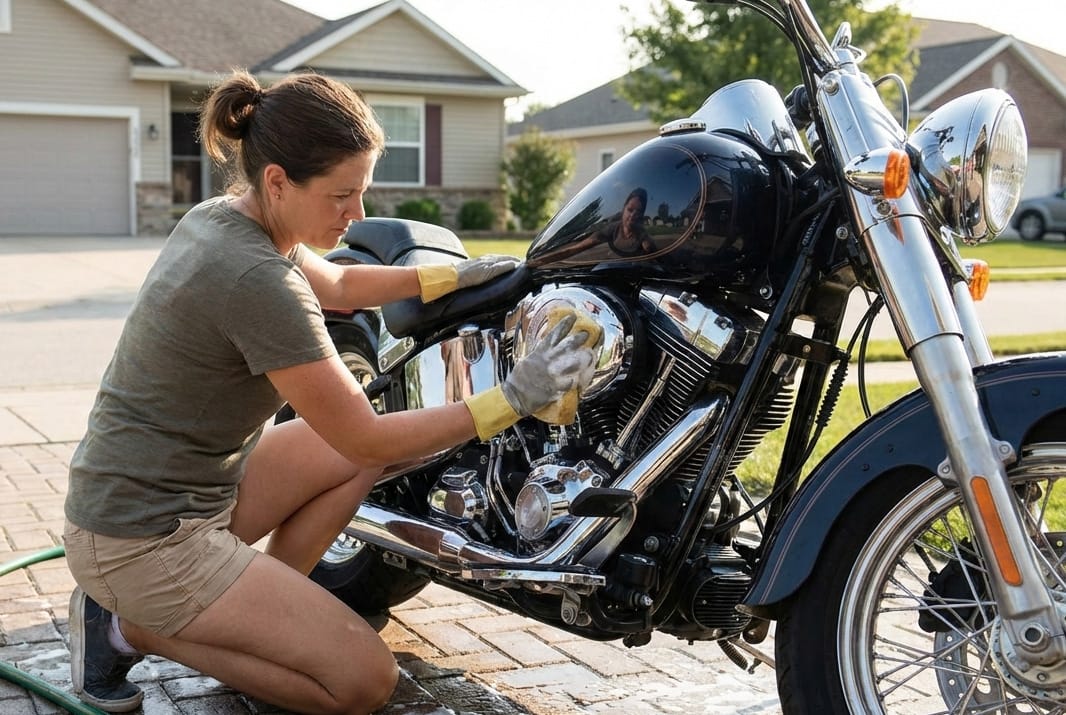
A clean bike attracts more buyers and builds trust.
- Wash and dry the bike thoroughly
- Polish painted and chrome surfaces
- Clean the chain, wheels, and visible components
This costs very little and usually pays off in perceived value.
Basic maintenance
You don’t need to overhaul the bike, but it should start easily and run smoothly.
At a minimum:
- Top off fluids
- Address overdue oil changes
- Ensure the battery is charged
Minor, inexpensive fixes can help. Major repairs usually aren’t worth the investment unless they’re safety-related.
Documentation and extras
Have your paperwork ready before you list:
- Title (or lien information)
- Service records, if available
- Receipts for upgrades or modifications
- Owner’s manual
If you have original OEM parts that were replaced, consider including them with the sale.
Pricing your motorcycle
Start with a baseline valuation using Kelley Blue Book or a similar tool, then refine it with real-world listings.
Check popular marketplaces such as:
- Facebook Marketplace
- Craigslist
- CycleTrader
Look for bikes similar in year, mileage, condition, and modifications. Price competitively, leaving room for negotiation if needed.
Take great photos (and consider a video)
Strong visuals dramatically increase interest.
Tips for better listing photos:
- Shoot outdoors in natural light
- Use a clean, uncluttered background
- Capture multiple angles and close-ups
- Show any cosmetic damage honestly
- Choose a strong photo showing the whole bike for your cover image
A short walkaround or startup video can further boost buyer confidence and reduce repetitive questions.
Write a compelling description
Your listing description should be clear, honest, and thorough.
Include:
- Make, model, year, and mileage
- Maintenance history and recent work
- Modifications or upgrades
- Known issues or flaws
A few personal details about how the bike was used or why you’re selling can humanize the listing and build trust.
 Steven Gin
Watch out for scams and fraudulent payments
Private sales can attract bad actors. The most common warning signs include:
- Buyers who want to move unusually fast
- Offers above your asking price
- Requests to skip inspections or viewings
- Complicated payment stories
Cash and checks can also carry counterfeit risk. Always verify funds before handing over the bike or title.
Using a secure payment and title-transfer service like KeySavvy can significantly reduce fraud risk by verifying payment and managing the transaction.
 Steven Gin
Handling test rides safely
Test rides are one of the trickiest parts of selling a motorcycle.
Your options include:
No test rides
Some sellers choose not to allow them. This reduces risk but may turn away serious buyers.
Test ride with contract and cash collateral
Both parties sign a test ride agreement stating the bike is considered sold if it’s not returned in the same condition. Cash is held as collateral during the ride.
Test ride with verified electronic payment
With services like KeySavvy, the buyer submits payment in advance. If they decline the bike after the ride, funds are returned. If the bike is damaged, the sale proceeds per the agreement.
If you allow a test ride:
- Explain your policy before meeting
- Check the buyer’s motorcycle license
- Require proper safety gear
- Confirm your insurance coverage
Final steps after the sale
After the sale is complete, take care of the loose ends. Requirements vary by state but often include:
- Removing or transferring license plates
- Completing a bill of sale
- Reporting the sale to the DMV
- Canceling insurance and toll accounts
Check your state’s DMV website for exact instructions. Title transfer and bill of sale reporting is often required within a certain time period, so be prepared.


Ready to sell
Selling a motorcycle privately takes effort, but it can be well worth it. With good preparation, smart pricing, and safe payment practices, you can complete the sale confidently and walk away with the best possible outcome.
KeySavvy can help handle payment verification, liens, and title transfer—all online—so you can focus on finding the right buyer.
Note: This article is for informational purposes only and does not constitute legal advice. State laws and requirements vary. Use your own judgment and consult appropriate professionals when needed.