Blog Home
Is it safe to share your VIN or license plate when selling your car?
Why you don't need to worry about posting a VIN or license plate online

Most private sellers hesitate before sharing their VIN or leaving their license plate visible in listing photos. It’s a common worry: could someone look up your personal information? Clone your plate? Steal your identity?
The short answer: yes, it’s safe. In fact, sharing your VIN can help you attract more serious buyers and speed up the sale. Here’s why.
Why your VIN and license plate are safe to share
Federal law protects your personal information
In the United States, the Driver’s Privacy Protection Act (DPPA) prohibits state DMVs from releasing personal information from motor vehicle records. That includes your:
- Name
- Address
- Phone number
- Driver license details
Even if someone has your VIN or license plate number, the DMV cannot legally give them your personal information.
Most states go even further by restricting data sharing and imposing penalties for improper access.
Dealerships can verify ownership — but not share your info
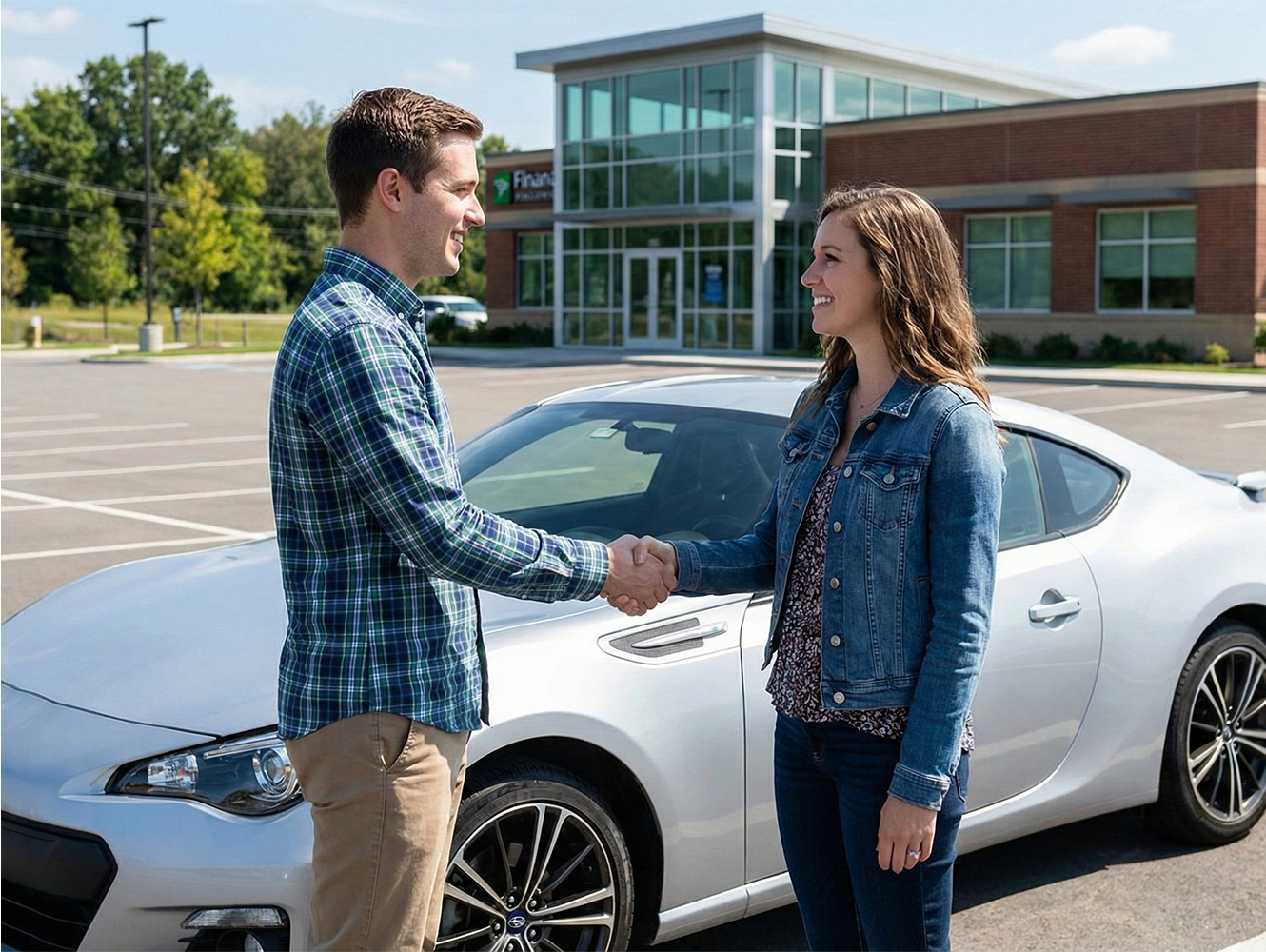
Licensed dealerships have limited access for specific business purposes, such as verifying that you’re the registered owner of a car you’re trading in. But they cannot release your personal information to anyone else without your consent.
VINs and plates aren’t private to begin with
You can walk up to almost any parked vehicle and see its VIN through the windshield. License plates are intentionally large, reflective, and easy to read.
These numbers identify the car, not the owner.
Is it worth including the VIN in your listing? Absolutely.
Including your VIN isn’t just safe, it’s smart.
Buyers use the VIN to verify your listing
Your VIN lets buyers confirm:
- The exact trim and options
- Factory equipment
- Odometer history
- Title status and prior accidents
- Open recalls
When buyers can verify these details independently, your listing feels more credible and less like you’re hiding something.
Buyers can run vehicle history reports
CARFAX, AutoCheck, and NMVTIS-based reports all require a VIN. Shoppers who can run these reports are more likely to feel comfortable reaching out.
Listings without a VIN raise suspicion
Buyers often skip past cars that don’t include a VIN — especially if similar cars in the same price range do. Making research easy increases your chances of getting a test drive request.
If you need help finding your VIN, check out our article on unexpected places it might be hiding.
Should you hide your license plate in photos?
Some sellers blur their plates, tape paper over them, or digitally mask them in every photo. There’s really no need.
The same DPPA protections apply to license plate numbers.
Anyone can look up the VIN from your plate, but that doesn’t give them access to your personal information.
Hiding your plate has downsides
- It makes photos look edited or lower quality
- It may make buyers wonder what else is being hidden
- It slows down your workflow when taking or editing pictures
Clear, accurate, unedited photos build trust. Leaving the plate visible is both safe and simpler.
Common misconceptions
“Can someone get my address from my license plate?”
No. DMVs cannot release personal information without a legally valid exception.
“What about license plate cloning?”
It’s extremely rare, and covering your plate online doesn’t prevent it. Clones usually come from plates seen in public, not from marketplace photos.
“Can someone steal my identity with my VIN?”
No. A VIN reveals details about the car, not the owner.
Quick checklist for your car listing
✔ Include the VIN in your description
Buyers trust transparent listings.
✔ Leave the license plate visible in your photos
No need to edit or obscure it.
✔ Add a photo of the VIN plate or door sticker
Extra trust without extra effort.
✔ Make sure the VIN in your ad matches the one in your photos
Avoid confusion and give buyers confidence.
Bottom line
Your VIN and license plate are safe to share when selling a car online. Federal law protects your personal information, and buyers expect to see this information up front. Showing it helps build trust and can make your car sell faster.
If you want to go further, check out our guides on scam prevention and how to write an ad that attracts serious buyers.