Blog Home
Should I use escrow for car sales?
Escrow can protect your payment when buying a car privately—but vehicles involve titles, liens, and paperwork that basic escrow services don’t always handle.

If you’re buying or selling a car privately, especially if you are buying out-of-state, you may have heard someone suggest using an escrow service.
At a high level, escrow means a neutral third party holds the buyer’s funds until agreed-upon conditions are met. It’s common in real estate. It’s sometimes used for online transactions. And increasingly, people look to it for private car sales.
But here’s the important nuance:
Traditional escrow protects money.
Buying a car requires more than protecting money.
This article explains that important difference.
What escrow does in a car transaction
In a basic escrow setup:
- Buyer sends funds to the escrow company.
- Escrow verifies the funds.
- Seller delivers the vehicle and provides title.
- Escrow releases funds when the buyer confirms receipt.
This structure solves a real problem in private sales: neither side wants to go first.
Escrow creates a middle layer of trust.
For many types of transactions, that’s enough. For vehicles, it often isn’t.
Why “traditional” escrow isn’t built for cars
Companies like Escrow.com provide legitimate escrow services. They are widely used for domains, equipment, collectibles, and other high-value items.
But cars are not just high-value items; they are highly regulated assets with a very unique way of transferring ownership.
A typical general-purpose escrow provider will:
- Hold funds securely
- Release funds when both parties approve
They don’t typically:
- Verify that the title is valid and properly assigned
- Pay lienholders to release any liens on the title
- Ensure the paperwork will be accepted by the DMV
- Provide temporary tags
- Guide both parties through required vehicle paperwork
- Seamlessly enable the buyer to finance their purchase
In other words, they protect the payment, but they don’t transfer ownership of the vehicle from the seller to the buyer.
That distinction is critical for preventing costly problems for buyers.
With cars, problems don’t always come from the money; they also come from titles, liens, and paperwork errors.
Fake escrow scams
There’s another issue buyers and sellers should be aware of: “escrow” is a word scammers love.
There are countless fake escrow websites designed to look legitimate. A scammer may:
- Claim to use an escrow service that doesn’t exist
- Create a spoofed version of a real company’s site
- Send forged emails pretending to be escrow agents
We’ve even seen scammers attempt to spoof legitimate vehicle transaction platforms to create false confidence.
If you’re suspicious, the State of California’s DFPI recommends:
- Verify the company has a physical address and phone number. Try calling the number or contacting them by email.
- Be on the alert for sloppy content on the website.
- Verify any endorsements or licenses (e.g. Better Business Bureau) on the endorser’s site. Don’t trust logos.
A good rule of thumb:
If a seller insists on a specific escrow site you’ve never heard of, or pressures you to act quickly, pause. Verify independently. Never rely on links sent directly by a counterparty.
Real escrow services exist, but so do very convincing fakes. Being cautious protects everyone.
When escrow isn’t enough
Escrow solves the “who goes first?” problem.
There are a lot of other questions that most escrow agencies will not ask.
- Is there an undisclosed lien?
- Is the seller the legal owner? Any co-owners?
- Will the buyer be able to register the vehicle?
- Is the paperwork complete and compliant?
In a dealership transaction, those details are handled by the dealer.
In a private party transaction using generic escrow, they’re usually left to the individuals who may not know what they are doing.
KeySavvy operates as a dealer
Here’s a distinction that many people don’t realize:
KeySavvy is not technically an escrow company; we are a licensed auto dealer—without the salespeople, showrooms, or markups.
This structure allows us to:
- Legally step into the transaction
- Process titles directly
- Handle loan payoffs
- Issue temporary tags
- Ensure transfer before releasing funds
In essence, KeySavvy does everything an escrow company does, plus a lot more. And we only work with titled land vehicles (i.e., cars, trucks, RVs, motorcycles, trailers).
From the buyer’s and seller’s perspective, you get a licensed dealer to manage the sale.
Escrow and Out-of-State Car Purchases
One of the most common reasons people look for escrow when buying a car is long-distance or out-of-state purchases.
If you’re buying a vehicle from another state, several things become more complicated at once:
- You may never meet the seller in person
- The vehicle may need to be shipped to you
- Title rules vary between states
- You'll need temporary registration once the car arrives
In these situations, sending money directly to a stranger can feel risky. That’s why many buyers search for escrow services.
Escrow can help by holding funds until the vehicle is shipped or delivered. But long-distance transactions introduce additional challenges that basic escrow services often don’t address.
For example:
- What happens if the title isn’t properly completed and you get rejected at the DMV?
- What if the vehicle still has a loan that needs to be paid off?
- What if your lender needs documentation before releasing funds?
These issues aren’t about the payment itself; they’re about making sure the legal transfer of ownership happens properly.
For that reason, many buyers prefer services that handle the entire vehicle transaction, including title coordination and lien payoff, rather than simply holding funds.
When cars cross state lines, the details matter.
 Steven Gin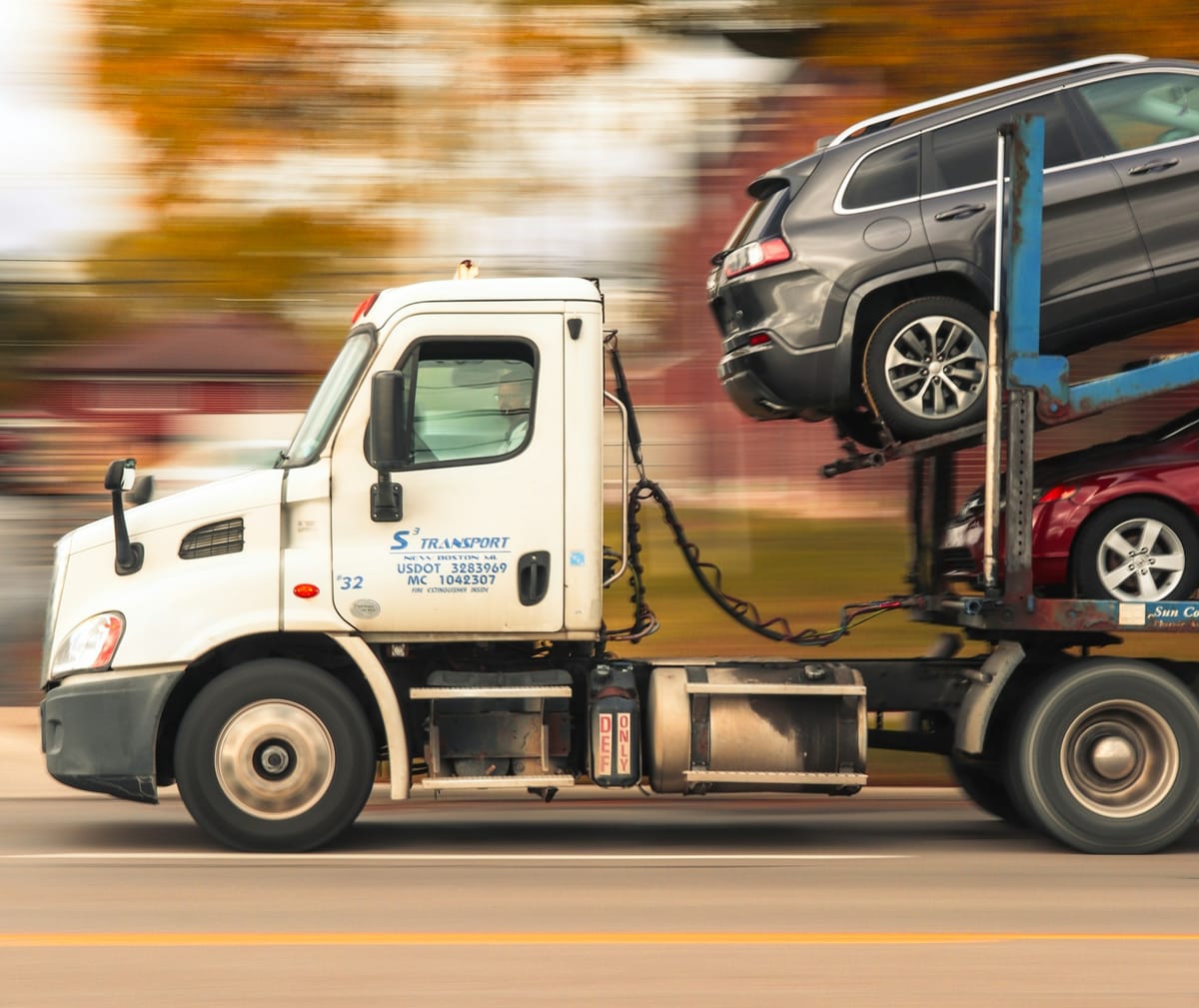
So what should buyers and sellers look for?
If you’re considering escrow for a private car purchase, ask:
- Does the service handle lien payoffs directly?
- Does it verify title integrity?
- Does it guide both parties through DMV requirements?
- Does it support private party financing?
- Is it a licensed entity operating within state regulations?
- Can it issue temporary tags if needed?
If the answer is “no” to most of those, you’re likely using payment protection—not full vehicle transaction protection.
The Bottom Line
Escrow is a valuable concept. It prevents either side from having to trust blindly.
But vehicles aren’t just objects; they’re regulated assets with title laws, registration requirements, and lender protections attached.
Standard escrow services may be perfectly appropriate for many transactions.
For cars, however, buyers and sellers should look for solutions designed specifically around vehicle transfers, not just payment security.
Because when buying a car privately, protecting the money is only one part of the job.
 Steven Gin
 Steven Gin
 Steven Gin