Blog Home
Should you get a pre-purchase inspection before buying a used car?
A practical guide to deciding if a mechanic’s inspection is worth the cost
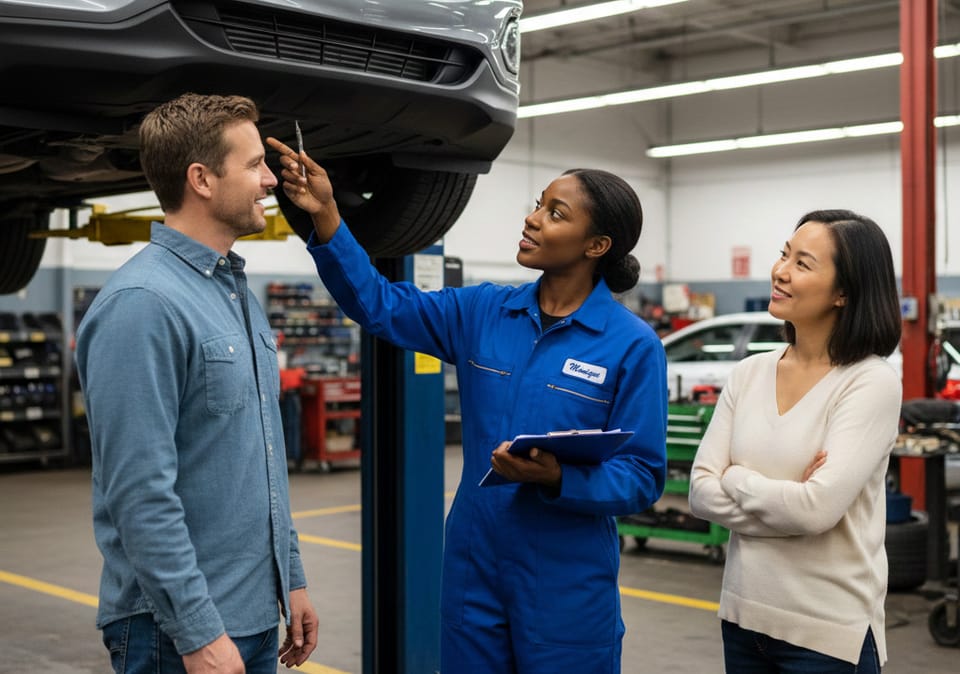
Buying a used car is one of the biggest financial commitments most people make outside of housing. The challenge is that you rarely know everything about the car’s history, even if the seller is honest and even if the vehicle has a clean CARFAX. A pre-purchase inspection (PPI) is the only reliable way to understand the car’s true condition before you hand over your money.
Inspections typically cost $140 to $300. That can feel like a lot, especially if you’re buying a lower-priced car. But in many cases the inspection pays for itself many times over by revealing hidden issues or giving you leverage to negotiate the price. It also delivers peace of mind.
Below we break down when an inspection is essential and when you might decide to skip it.
Why get an inspection?
A trained mechanic can spot issues you would never notice during a short test drive. These include leaks, suspension wear, timing belt age, cracked bushings, worn brakes, and early signs of transmission or engine trouble. They can also spot signs of past collision repairs by checking for uneven paint, replaced bolts, or misaligned body panels. Repair shops know the common failure points for each make and model because they fix the same problems every week.
An inspection report gives you:
- A list of all current issues
- Upcoming maintenance you should budget for
- Estimates for repairs
- A recommendation on whether buying the car is a good idea
Buyers often use these findings as a negotiation tool. If a mechanic finds $800 of needed repairs, you can ask the seller to reduce the price or address the issues before the sale.
Questions to consider before skipping an inspection
Can you test-drive the car in person?
If you’re buying a car out of state, shipping it, or flying out to pick it up, a PPI is almost mandatory. It is your only way to verify the car before investing time and travel costs.
How much is the car worth?
The lower the price, the more tempting it is to skip an inspection. Still, even inexpensive cars can hide expensive problems. A $3,500 car can need $2,000 in repairs. Today’s “budget” cars often fall in the $3,000 to $5,000 range, and a mechanic’s opinion is especially valuable for vehicles in this price bracket.
Are you buying from a dealer or a private seller?
Dealers often recondition their cars to meet basic safety requirements. Some go further, others do the minimum. Certified Pre-Owned vehicles typically undergo extensive inspection and usually do not need an additional PPI.
Private sellers vary widely. Some maintain their cars meticulously while others are unaware of overdue services or emerging issues. Because private sales don’t require any reconditioning, a PPI is one of the best ways to protect yourself.
Is the car still under factory warranty?
A one- or two-year-old car with low miles and remaining warranty coverage might not need a full inspection. Still, many buyers choose a lower-cost checkup to confirm there are no existing problems.
How comfortable are you with risk?
If you’re mechanically inclined and know what to look for, you may feel confident doing your own basic assessment. Most buyers, though, prefer a professional review.
When you might skip the inspection
Skipping the PPI can make sense when:
- The car is nearly new and still under manufacturer warranty
- It is a Certified Pre-Owned vehicle
- You already know the car’s history personally, such as buying from a family member
- The seller recently completed a documented third-party inspection you trust
Even in these cases, a quick shop check can offer peace of mind.
How to get a pre-purchase inspection
You have two main options:
1. Visit a repair shop
The seller meets you at the shop, the car is inspected on a full lift, and the mechanic performs a thorough mechanical and safety check. Shops usually charge less than mobile mechanics because the inspection fits into their normal workflow.
2. Use a mobile mechanic
A mobile technician meets you and the seller wherever the car is parked. This can be helpful if time or logistics make it hard to visit a shop. Mobile inspections usually cost more but offer added convenience.
Tips for scheduling
- Choose a shop or mechanic with strong customer reviews
- Ask for a “pre-purchase inspection”; every shop knows what that means
- Coordinate with the seller since they will need to bring the car
- Expect to pay for the inspection as the buyer
Bottom line
A pre-purchase inspection is one of the smartest ways to protect yourself when buying a used car. It reduces your risk, helps you negotiate a fair price, and increases your confidence in the purchase. The small upfront cost almost always pays for itself, especially in private-party transactions.
 Steven Gin
 Steven Gin