Blog Home
Can you get a loan to buy a car from a private seller?
You can get a loan to buy a car from a private seller, but the process is usually more involved than financing through a dealership.
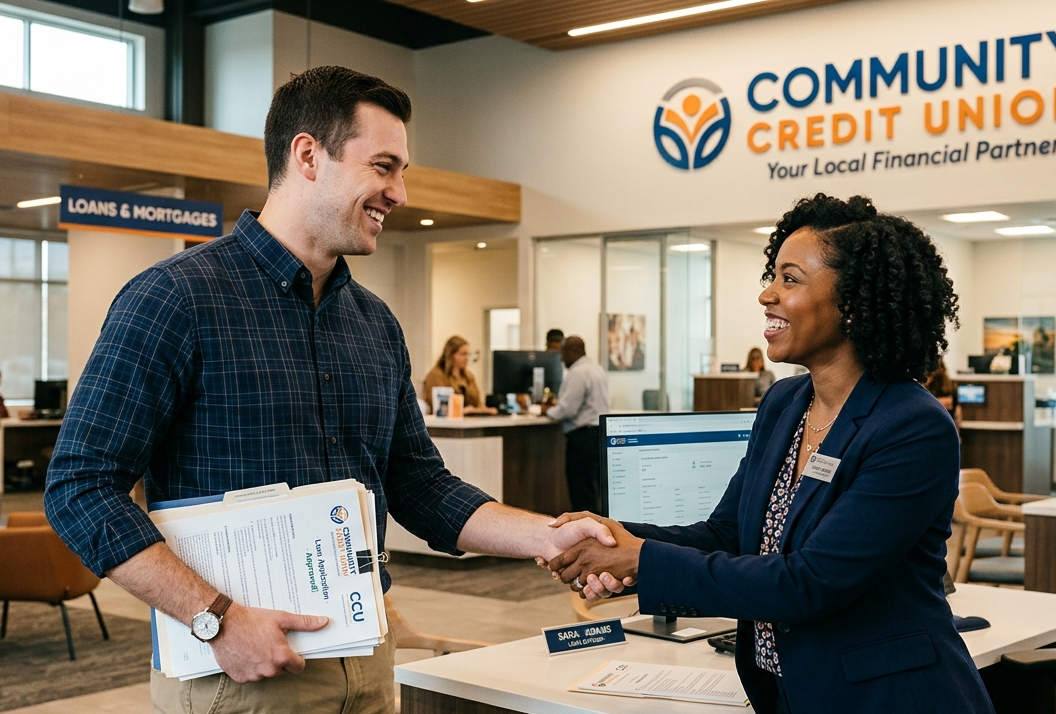
Private party car loans exist through credit unions, banks, and online lenders, but fewer lenders offer them, and approval often depends on the vehicle’s title status, age, mileage, and how the transaction is handled.
This guide explains how private party auto loans work, where to find them, and how to improve your chances of approval.
Quick takes
- Buying from a private seller often means a lower price and more room to negotiate, but financing typically requires more paperwork and lender coordination.
- Secured private party auto loans usually offer the lowest interest rates but require a lien on the vehicle title and may restrict which vehicles qualify.
- Unsecured loans (personal loans) are easier to use for private sales but generally come with higher interest rates.
- Lenders are more likely to approve private party loans when the title and lien process is clearly verified.
What is a private party auto loan?
A private party auto loan is used to finance a vehicle purchased directly from an individual rather than a dealership. While the end result is the same—you own a financed vehicle—the risk profile for lenders is different, which affects availability and requirements.
There are two main types of loans used for private car purchases.
Secured private party auto loans
A secured loan places a lien on the vehicle until the loan is paid off. The vehicle itself acts as collateral.
With a secured private party auto loan:
- Interest rates are typically lower than unsecured loans
- The lender holds the title or records a lien until payoff
- Vehicle eligibility often matters (age, mileage, value, registration status)
Many lenders will not finance vehicles older than 10 years or with more than 100,000 miles, though policies vary.
The rate you receive depends on:
- The vehicle’s value
- Your credit score and income
- Current market rates
- Loan term length
Unsecured loans for private car purchases
Unsecured loans are essentially personal loans used to buy a car.
These loans:
- Do not place a lien on the vehicle
- Are based entirely on your creditworthiness (i.e., credit history, credit score, FICO)
- Can be used to buy any vehicle
Because the lender has no collateral, unsecured loans usually come with higher interest rates than secured auto loans.
What lenders require for a private party car loan
Private party loans often fall through because lenders cannot verify key details of the transaction. Before applying, be prepared to provide:
- The vehicle identification number (VIN)
- Proof of the vehicle’s value (such as KBB)
- Seller identity and ownership confirmation
- Proof that no outstanding liens exist
- Buyer documentation (income, insurance, credit)
- Purchase price and loan amount
If the title is unclear or the seller still owes money on the vehicle, many lenders will decline the loan outright.
Why private party car loans get rejected
Loan denials are often related to the vehicle or transaction, not the buyer’s credit. Common reasons include:
- Existing liens that have not been paid off
- Title issues or incorrect ownership information
- Seller unwillingness to cooperate with lender requirements
- Vehicle age or mileage outside lender guidelines
- Lack of a licensed intermediary to manage the transaction
Understanding these risks ahead of time can save weeks of frustration.
Preapproval, credit checks, and your credit score
Many lenders offer preapproval or prequalification, allowing you to shop with a budget in mind.
- Soft credit pulls review limited credit data and do not affect your credit score.
- Hard credit pulls involve a full credit check and may temporarily lower your score.
If you plan to compare lenders, try to limit hard credit checks and complete loan applications within a short window.
Why credit unions are often the best option
Because credit unions are community and member-first institutions, they tend to be more open to the value members get from private party auto deals.
- Community-based underwriting
- More flexibility on private sales
- Familiarity with member-to-member transactions
- Competitive rates for secured loans
- Willingness to work with intermediaries that reduce risk
Where to get financing for a private party car purchase
Not all lenders handle private sales the same way, if at all. These are the most common options.
Credit unions
Credit unions are often the best place to start. Many offer competitive rates and are more flexible with private party loans, especially if you are already a member.
Banks
Some banks offer private party auto loans, but many only finance dealership purchases. If your bank requires a licensed dealer, using a third party service like KeySavvy may change their mind.
Online lenders
Online lenders may offer quick prequalification tools and rate estimates. Availability and rates vary widely, so comparing multiple offers is important.
KeySavvy helps unlock private party financing
KeySavvy acts as a licensed, independent dealer during private party transactions. This structure helps reduce lender risk by:
- Verifying vehicle ownership
- Paying off existing liens before funds are released
- Ensuring the title transfers correctly
Because the transaction meets dealer-level standards, many banks and credit unions are more willing to finance private sales when KeySavvy is involved.

Special considerations for electric vehicle loans
If you are buying an electric vehicle from a private seller, additional financing options may be available:
- Some lenders offer discounted interest rates for EV purchases
- Higher loan limits may apply due to higher vehicle prices
- Certain loans include funds for installing a Level 2 home charger
- Used EV incentives may still apply when buying privately
Some lenders specialize in EV financing, and in certain cases, these loans can be initiated as part of the private sale process.
Frequently asked questions
Do credit unions offer private party auto loans?
Yes. Many credit unions offer private party auto loans and are often more flexible than large banks, especially for member transactions.
Why do credit unions and other lenders care so much about title verification?
The vehicle serves as collateral, so credit unions need to confirm ownership and lien status before releasing funds. If there are any problems with the title, it is much harder to contact a seller after they have already been paid.
Can I finance an older used car?
Some lenders restrict financing based on vehicle age or mileage.
Is financing a private sale riskier?
It can be for lenders, which is why lenders focus heavily on title verification and lien status. It's also why they often prefer KeySavvy transactions, with a guarantee of clear title.
Can I get a private party auto loan with bad credit?
Yes, but options may be limited to higher-rate secured loans or unsecured personal loans.
Are private party auto loan rates higher than dealer loans?
Not always. Secured private party loans can be comparable to dealer financing.
 Steven Gin