Blog Home
Do I need a bill of sale to sell my car?
A practical guide to the bill of sale private party auto sellers
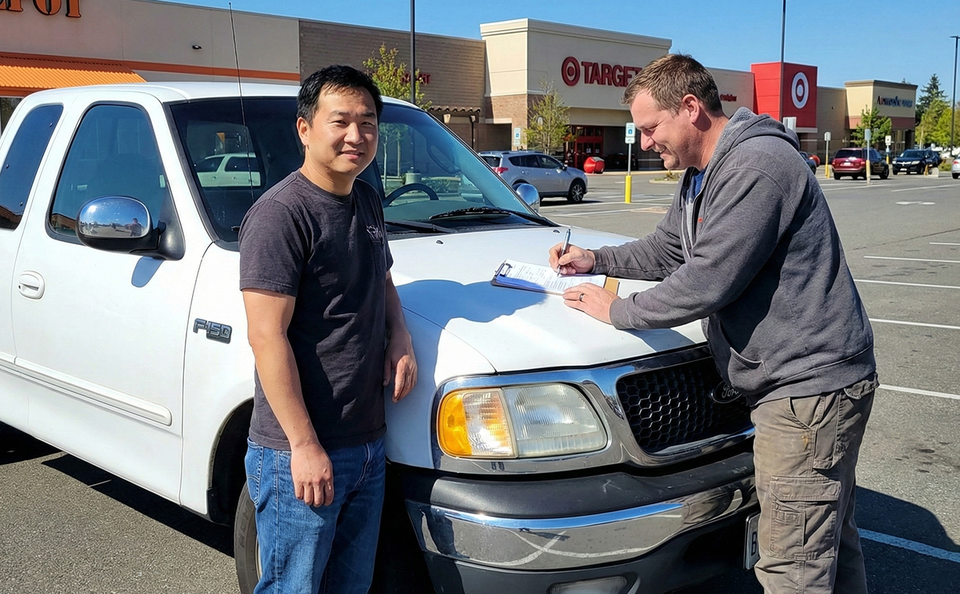
When you sell a vehicle privately, clear documentation matters. A bill of sale is one of the simplest ways to record what was sold, to whom, and on what terms. And, in many states, it’s legally required. Even where it isn’t required, it can protect you as the seller and help the buyer complete registration and taxes.
This guide explains what a bill of sale is, when you need one, what to include, and how to create it.
What is a bill of sale?
A bill of sale is a written record of the agreement between the buyer and seller. It documents the key details of a private-party vehicle transaction. A complete bill of sale typically includes:
- Buyer and seller names and addresses
- Vehicle information (year, make, model, VIN)
- Odometer reading at time of sale
- Date the buyer takes possession
- Purchase price
- Known disclosures or defects
- Any additional terms (as-is statement, deposits, payment method)
- Signatures and dates from both parties
A bill of sale is not the same as a title transfer. The buyer must still transfer and register the vehicle with their state DMV. In some states, the DMV will not complete this process without a compliant bill of sale.
Note: Some states also require a separate odometer disclosure form; it cannot always be combined with a generic bill of sale.


Do you really need a bill of sale?
It depends on your state, but there are strong reasons to have one regardless.
When it’s legally required
Several states require a bill of sale for all private-party vehicle sales. Others require their own state-issued form or notarization. Requirements can differ for cars, motorcycles, trailers, and boats. Check your state DMV’s rules before meeting your buyer.
Why it’s recommended even when not required
Release of liability: After the buyer leaves with the vehicle and signed title, there’s no public record of the transfer until they complete registration. If something happens — parking tickets, tolls, accidents — having a dated bill of sale helps establish that you no longer owned or possessed the car.
Tax documentation:
- Sellers may need proof of sale price if they sold the vehicle at a gain.
- Buyers must pay sales tax when registering, and a bill of sale usually establishes the taxable amount.
 Steven Gin
Seller protection: Documenting known issues, damage, or “as-is” terms helps prevent disputes under consumer protection laws.
Altogether, a bill of sale is a low-effort way to protect both parties.
What must be included
A valid bill of sale should clearly list:
- Buyer’s and seller’s legal names
- Contact information
- VIN and full vehicle description
- Odometer reading
- Sale price
- Date and time possession changes hands
- Signatures from both parties
Optional elements that strengthen the document:
- “Sold as-is” language
- Payment method
- List of included items (keys, accessories, service records)
- Affirmation that the seller has the right to sell the vehicle
How to create a bill of sale
You have several options:
1. Use your state’s DMV form
Many DMVs offer a downloadable PDF you can print and bring to the meeting. Some states require their form and will reject generic versions. A few require notarization, so plan accordingly.
2. Create your own
If your state allows a generic bill of sale, you can type one up or write one by hand. Just ensure it contains all required elements and both parties sign and date it.
3. Use an electronic document
Digital bills of sale and e-signatures are widely accepted. You can prepare the document in Google Docs, Adobe Acrobat, or a document-signing service and exchange signatures by email. The main advantage is automatic record-keeping — you’ll always have a copy.
4. Double-check your work
A bill of sale becomes part of the transaction record. Before signing, confirm:
- VIN is correct
- Price and date are accurate
- Names and addresses match IDs
5. Store it safely
Keep both a physical and digital copy in case questions arise later.
Can you create a bill of sale after the fact?
Yes, but it may be difficult to get the buyer to sign after the vehicle has already changed hands. If the date or terms are disputed, the DMV may not accept it. It’s best to complete it at the time of sale.
How KeySavvy simplifies this
When you complete your transaction through KeySavvy:
- We generate a compliant bill of sale automatically
- Both parties e-sign digitally
- You can download it anytime from your KeySavvy dashboard
- We transfer the title and guide the seller on reporting the sale to their state, reducing your risk
KeySavvy removes the guesswork and ensures your documentation is complete.
Summary
A bill of sale is a simple but important part of a private-party vehicle sale. Many states require one, and even when they don’t, it protects sellers, supports the buyer at the DMV, and provides clear proof of the transaction. Creating one is easy, and if you sell through KeySavvy, we handle the document for you automatically.
 Steven Gin
 Steven Gin